South America is a continent of hundreds of millions of people going about ordinary lives, and most visits pass without trouble. The precautions below are the same habits that serve in any big city anywhere, adjusted for a few local patterns. We give no rankings of countries or cities; conditions change, and the honest answer is to check current advice for the places on your route.
Cash or cards?
Both, in different places. Cards are widely accepted in cities, in larger shops and restaurants, and for most bookings. Cash still rules in markets, small towns, rural buses, taxis, and much of the altiplano. The further you go from a capital, and the higher you go, the more cash you need.
- Carry small notes. Change is often short, and a large note can be hard to break in a village or a market.
- Notes that are torn, marked or very worn may be refused, both local notes and foreign ones.
- Each country has its own currency, with one exception: Ecuador uses the US dollar.
- Money conditions in some countries, Argentina in particular, have changed often in recent years. Check how visitors are paying before you go.
How do cash machines work?
Cash machines are common in cities and towns and scarce in rural areas. A few habits help:
- Use machines inside banks, shopping centres or other staffed places, in daylight.
- Shield the keypad and take the card and cash before turning away.
- Expect a fee for each withdrawal and a limit on the amount; fewer, larger withdrawals cost less.
- If a machine offers to charge you in your home currency, decline and choose the local currency; the conversion it offers is usually worse.
- Tell your bank where you are travelling, and stock up before heading to remote places such as the salt flat or the Amazon.
How should you carry money?
Split it. Keep a day's cash and one card in a front pocket or a small bag you hold, and the rest, with a second card, somewhere separate. A small amount of a widely accepted foreign currency, in clean notes, makes a useful reserve if cards fail.
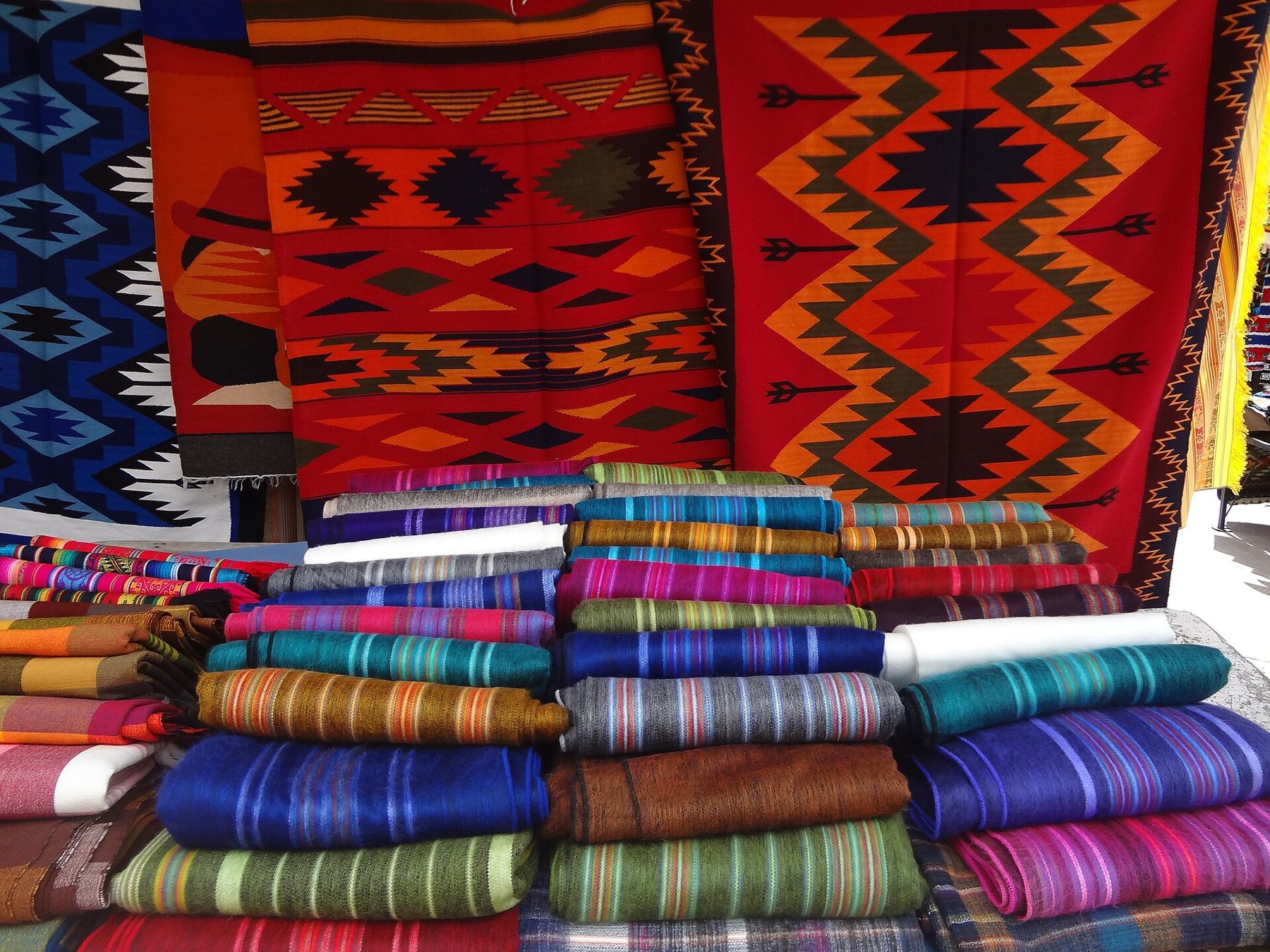
Markets like Otavalo in Ecuador, or the Witches' Market streets of La Paz, run on cash. Agree a price before buying, count change in front of the seller, and keep your wallet out of sight between purchases. Bargaining is normal in craft markets and should stay friendly; in food markets and shops prices are usually fixed.
How does tipping work?
Tipping is modest and varies. In restaurants a service charge is sometimes added to the bill; where it is not, leaving around ten per cent is a common gesture in many places. Small change for porters and for help with bags is appreciated.
On guided treks and tours, tips for guides, cooks, drivers and porters are customary and form an important part of their income. Ask the organiser what is usual, and give it in cash directly to the people concerned.
 Before you goGetting around a continent of mountains
What does ordinary safety look like in cities?
Most problems are theft of opportunity, not violence. They happen where crowds are thick and attention is elsewhere: markets, bus terminals, busy squares, street fairs like the Sunday market along Defensa in San Telmo, and beaches.
- Keep your phone in your pocket on the street, and off cafe tables near the pavement.
- Wear a daypack on your front in crowds.
- Take only what you need to the beach.
- Be wary of distractions: a stranger pointing at a stain on your jacket, or a staged commotion, can be cover for a pickpocket.
- At night, take a registered taxi or a ride booked through an app or your accommodation rather than walking through quiet areas.
If someone does threaten you for your things, hand them over. Nothing in a bag is worth an injury.
How do you stay safe on buses?
Long-distance buses are generally safe, and thefts on them are usually quiet ones. Keep your daypack on your lap or between your feet, never in the overhead rack or under the seat behind you. Put larger luggage in the hold and keep the baggage tag. On overnight buses, keep passport, cards and phone on your body.
Choose established companies, and travel by day on mountain roads where possible. If a driver seems to be driving dangerously, it is reasonable to say so or to leave the bus at the next town.
What about roads and the outdoors?
For many travellers, traffic is a bigger everyday risk than crime. Drivers do not always stop at crossings, so look both ways and cross with local pedestrians. Wear seatbelts where they exist, and be wary of road travel at night in the mountains.
In the mountains, the main hazards are altitude, cold and weather. Tell someone your plans before a long walk, carry water and a warm layer, and turn back if the weather turns or someone feels unwell. Above 3,500 metres, the cold at night is serious.
How do you check the current situation?
Read your government's travel advice for each country on your route before you go and again before each leg. Local news and the people running your accommodation are good guides to the situation on the ground.
In parts of the Andes, protests and road blockades can stop traffic for a day or several. They are rarely aimed at travellers, but they can strand them. Keep spare days in a plan, keep away from demonstrations, and follow local advice about when roads reopen.
What if something goes wrong?
- For insurance after a theft, report it to the police and ask for a written report.
- If your passport is lost or stolen, contact your country's embassy or consulate.
- Keep copies of your passport and cards, on paper and online, separate from the originals.
- Buy travel insurance that covers medical care and evacuation, including at altitude and on any treks.
Most of this is common sense in a new setting. Carry little, spread it out, stay alert in crowds, and the rest of your attention is free for the markets, the plazas and the views.