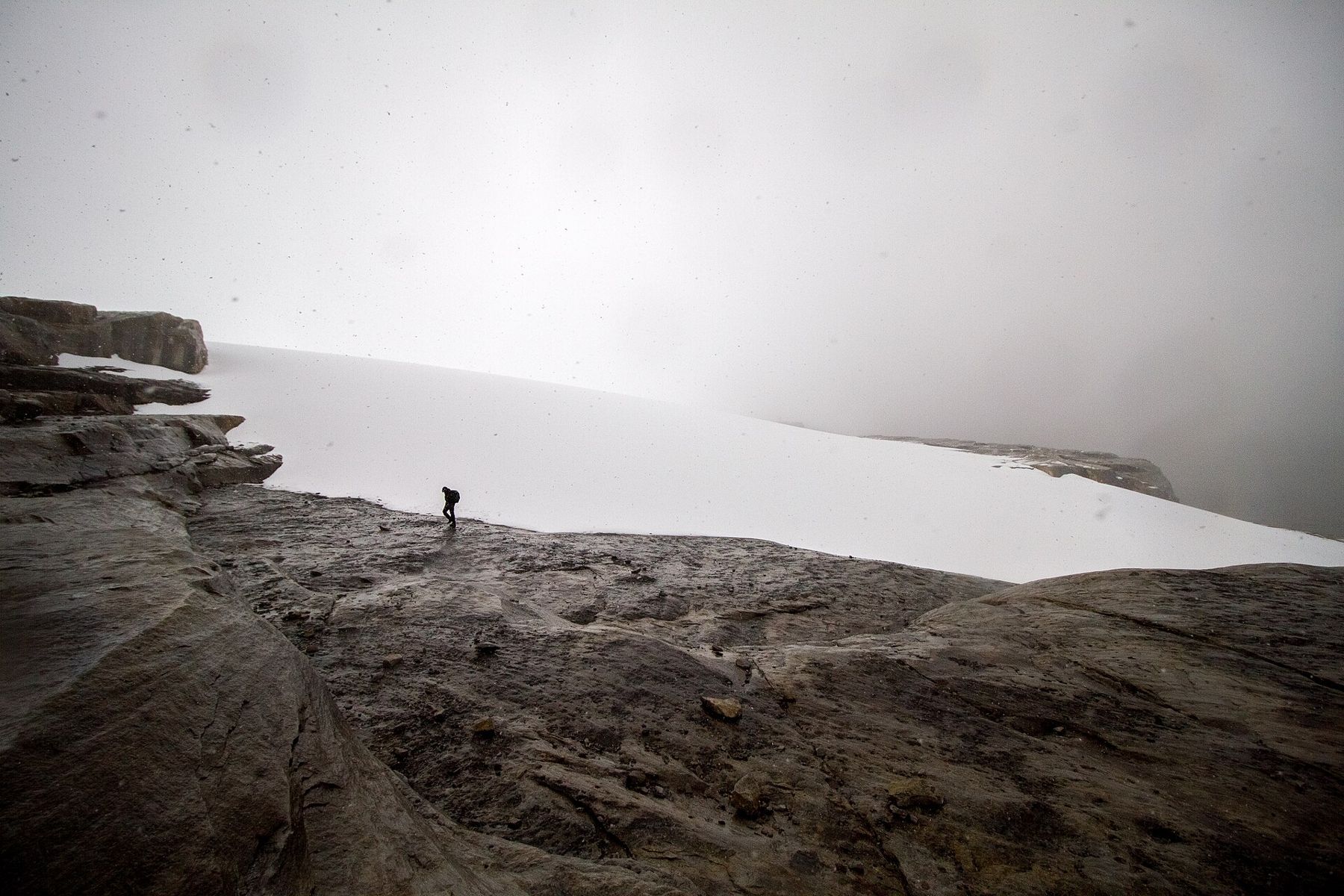
Altitude Atlas divides the continent into five strata, and each has its own weather. A single trip can start in the humid heat of the coast, climb to frosty nights on the altiplano, and end in Patagonian wind. Packing for that is not about carrying more. It is about clothes that combine, so one bag covers everything.
Why does one trip need five climates?
Because height changes the weather faster than distance does. As a rough guide, the air cools by about six degrees for every 1,000 metres you climb. A warm afternoon in the Sacred Valley can be a cold evening in Cusco, an hour's drive away and 500 metres higher. The tropics add heat and rain; the far south adds wind and latitude.
The answer is layers: thin pieces that add up to warmth, can be taken off as the day warms, and dry quickly.
How do layers work from sea level to 5,000 metres?
- Base layer: a couple of thin long-sleeved tops and leggings, in merino or synthetic fabric, for cold nights and early starts.
- Warm middle layer: a fleece, and a light down or synthetic insulated jacket that packs small.
- Outer shell: a jacket that keeps out both wind and rain.
- Extremities: a warm hat, thin gloves, and a neck tube or scarf.
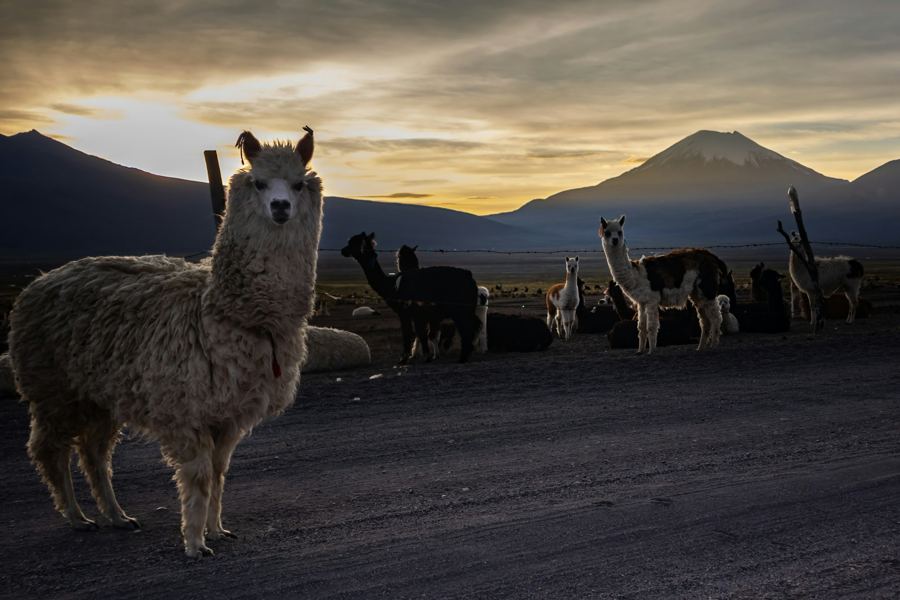
Nights on the altiplano fall well below freezing, and some of the best sights happen at dawn. On the salt flat at Uyuni and at the geysers of El Tatio, above 4,300 metres, early mornings are bitterly cold, and an hour later the sun is hot. Everything you wear should come off and go into a daypack easily.
How strong is the sun at altitude?
Much stronger than it feels. There is less air above you to filter ultraviolet light, and its strength rises with every 1,000 metres. Near the equator the sun is also high in the sky all year, and snow, ice and salt reflect it back from below. The cool air hides the burn until it is too late.
- A hat with a brim, ideally one that ties on in wind.
- Sunglasses that block ultraviolet light, essential on snow and salt.
- High-factor sunscreen, reapplied often, including on ears and the backs of hands.
- Lip balm with sun protection; high air dries and burns lips fast.
What rain gear do you need?
Some, almost everywhere. Tropical downpours arrive heavily and on time in the Amazon. The coffee country around Salento is famous for rain and mud on the trails, and the Andean wet season brings afternoon storms. Patagonian weather can change from sun to sleet in an hour.
The shell jacket does most of the work. Add quick-drying trousers, a light pack cover or dry bags for electronics and documents, and, for cities like Bogotá, a small umbrella. Rubber boots for the muddiest valleys can often be borrowed or rented locally.
Timing matters as much as the gear. In the Andes, storms tend to build in the afternoon during the wet season, so the usual habit is to walk early and be back under a roof by the time the clouds stack up over the ridges. In the Amazon, a downpour often passes within the hour, and the forest steams afterwards.
 Before you goAltitude sickness, plainly
Which shoes should you bring?
Comfortable, broken-in walking shoes or light boots with good grip are the most important item in the bag. Colonial cities have steep cobbles and stone stairs, polished smooth by centuries of feet, and many trails are rough, loose or wet.
Add a pair of sandals for the lowlands, river boats and shared showers. For serious treks, boots with ankle support and thick socks; for the glacier walkways and city days, the walking shoes are enough.
What does the Patagonian wind ask of you?
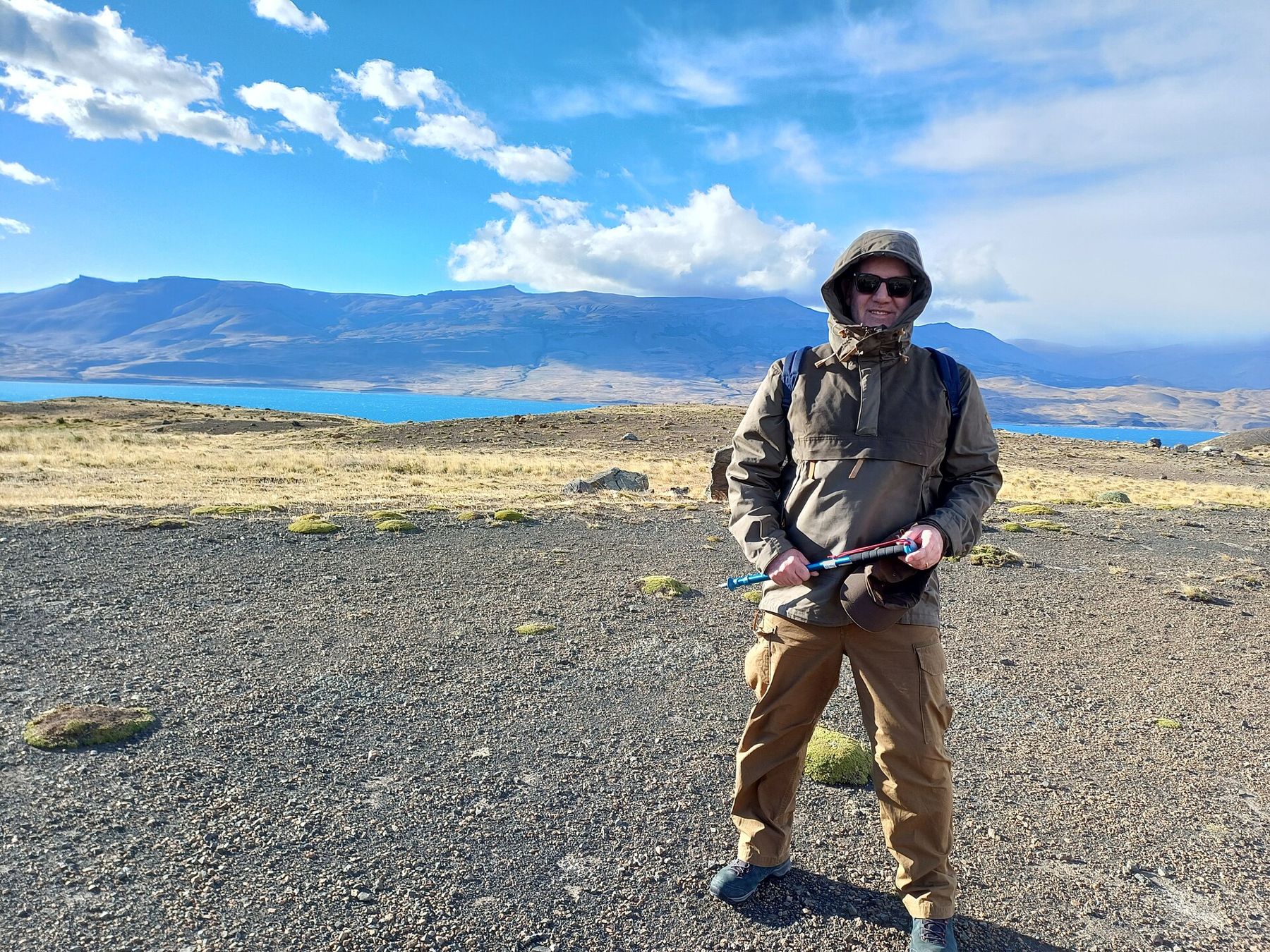
In the cold south, wind does the work that altitude does in the Andes. Gusts on exposed trails can be strong enough to knock a walker sideways, and the wind chill makes a mild day feel cold. The summer is when it is often strongest.
A windproof shell with a hood that cinches tight matters more than a heavy coat. Add gloves, a hat that will not blow away, and walking poles for balance on the trails around El Chaltén and in Torres del Paine. Long summer daylight helps, but carry a headtorch for early starts.
What about the tropics?
In the Amazon and on the Caribbean coast the challenge is heat and insects, not cold. Light, loose, long-sleeved shirts and long trousers protect from both sun and mosquitoes, and dry faster than you might expect. Bring insect repellent and use it, especially at dawn and dusk.
Ask a travel clinic, well before departure, about the vaccinations and precautions that suit the lowland areas on your route.
What can you buy locally?
A lot. Andean markets sell warm hats, gloves, socks, scarves and sweaters in alpaca and sheep's wool, often for less than you would pay at home and very welcome on the altiplano. Trekking towns such as Cusco and El Chaltén have shops that sell or rent gear, from sleeping bags to poles.
Sunscreen, insect repellent and basic medicines are available in cities, though choice shrinks in small towns. Specialist items, such as prescription glasses, particular medicines and good boots, are best brought from home.
Which small things earn their place?
- A refillable water bottle, and a way to treat water where tap water is not safe to drink.
- A headtorch for pre-dawn starts, power cuts and night buses.
- A small first-aid kit and any personal medicines, in their original packaging.
- A universal plug adapter; socket types vary between countries.
- Copies of your passport and documents, stored separately.
- A light daypack that can hold the layers you peel off.
The test is simple. If you can carry your bag up a flight of stairs at 3,500 metres without stopping twice, it is the right weight. Then the day's layers go on at dawn, come off by noon, and go back on as the sun drops behind the mountains, from the lakes around Bariloche to the salt of the high plateau.