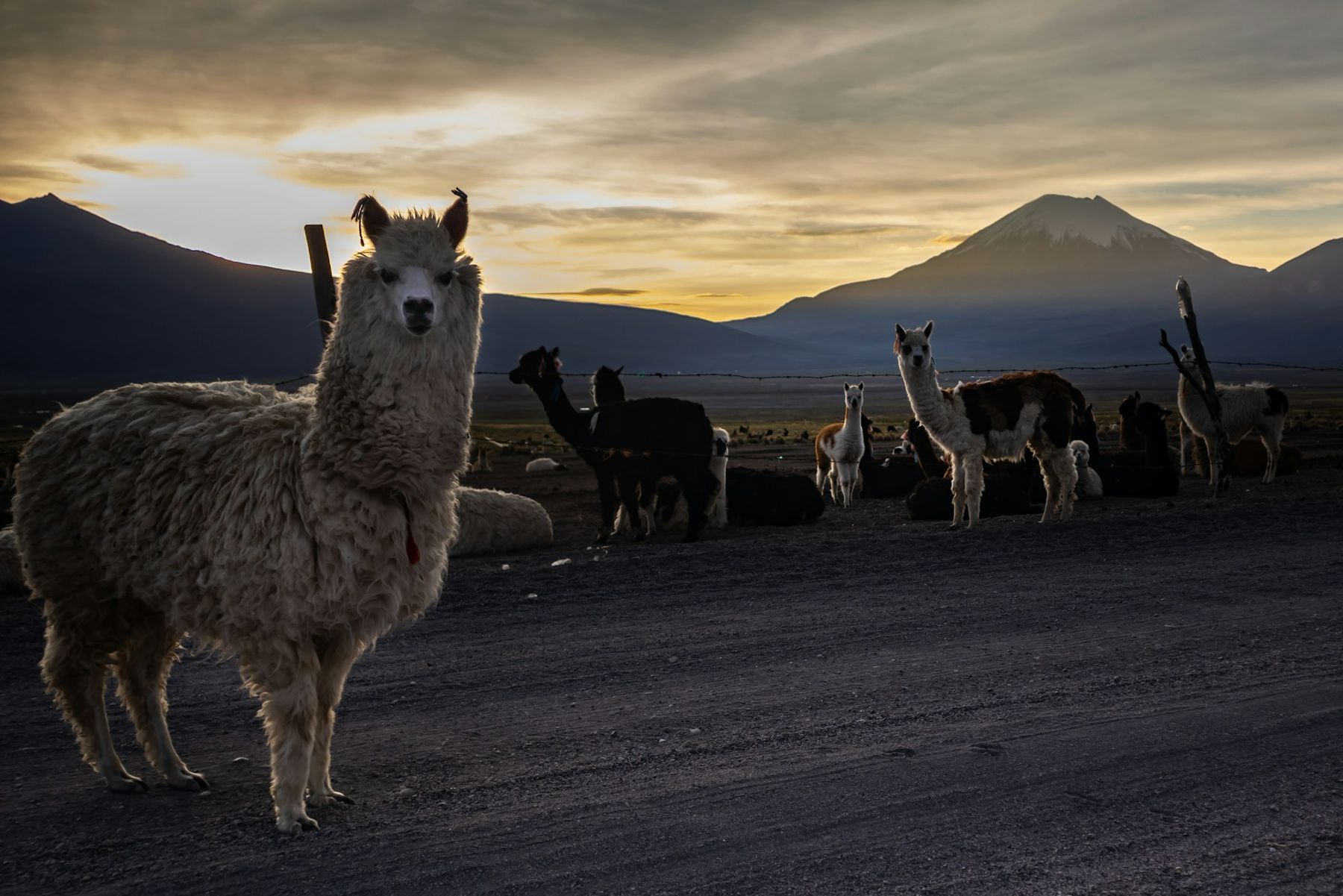
This page is general information, not medical advice. Altitude sickness is real, it is common in the Andes, and it is mostly preventable with time. What follows is what thin air does, how people usually pace a high trip, and the signs that mean a change of plan.
What actually changes above 2,500 metres?
The air keeps the same mix of gases all the way up. What falls is the pressure, so every breath carries fewer molecules of oxygen. At 2,500 metres most people notice it only on stairs. By 3,600 metres, about the height of La Paz, each lungful holds roughly two-thirds of the oxygen it would at the coast.
The body answers in stages. Within minutes you breathe faster and your heart works harder. Over days the blood carries oxygen more efficiently and breathing settles into a new rhythm. That slower adjustment is acclimatisation, and it cannot be hurried by fitness or willpower.
Who gets it?
Anyone can. Fitness gives no protection, and a fit walker who charges uphill on the first afternoon often feels worse than a slower one. Age and gender make little predictable difference. Feeling fine on one trip is no guarantee for the next.
The biggest factor is speed: how high you sleep, and how fast you got there. A flight from the coast to Cusco at 3,400 metres, or to the airport above La Paz at more than 4,000, takes you up in an hour. That is the classic way to feel poorly on the first evening.
What does it feel like?
Mild altitude sickness usually begins within the first day. It feels like a bad hangover or the start of a cold:
- a headache, often worse at night or on waking;
- loss of appetite or nausea;
- tiredness out of proportion to what you have done;
- light-headedness and broken, restless sleep;
- breathlessness on any slope or staircase.
Breathlessness when you climb is normal at altitude. Breathlessness when you are sitting still is not. Rarely, fluid builds up on the lungs or the brain, and these forms are emergencies. The warning signs are breathlessness at rest, a cough that will not stop, confusion, unusual drowsiness, and clumsiness or a staggering walk. Anyone with those signs needs to go down and get medical help at once.
How should the first days go?
Treat the first day high as a rest day. Walk slowly, carry nothing heavy, and stop on the stairs as often as you like. In the steep streets of San Blas above Cusco's main square, or on the hill streets of La Paz, a slow pace is not a weakness.
- Eat lightly and often; heavy meals sit badly in thin air.
- Go easy on alcohol for the first days, since it dehydrates and disturbs sleep.
- Avoid hard exercise for the first day or two.
- Above about 3,000 metres, a common rule of thumb is to raise the height you sleep at by only a few hundred metres a night, with a rest day every few days.
Most people feel noticeably better by the second or third day. That is why our story pages give an honest number of days to adjust, and why a gentle first day in Cusco or La Paz pays back across the rest of the trip.
What does "climb high, sleep low" mean?
It is an old mountaineering idea: go up during the day, come back down to sleep. The body gets a taste of greater height without having to spend the night there, when breathing slows and oxygen dips further.
In southern Peru the geography makes this easy. The Sacred Valley sits at roughly 2,870 metres, some 500 metres below Cusco, and many travellers spend their first nights there, making day trips up to the city before moving in. The same logic applies on the way to the high lagoons and passes: build up to the highest point, then descend to sleep.
 Before you goPacking for five climates
How much water, and what about coca tea?
High air is dry, and you lose a surprising amount of water just breathing it. Drink regularly through the day, carry a bottle, and watch the colour of your urine: pale is good, dark means drink more. Water alone will not prevent altitude sickness, and drinking huge amounts does nothing extra, but being dehydrated makes headaches worse and is easy to avoid.
In Peru and Bolivia you will be offered mate de coca, an infusion of coca leaves, in markets, cafes and on arrival at many places to stay. It is a long-standing local custom in the Andes and a pleasant, mild drink, much like green tea. Treat it as hospitality, not as a treatment. Coca leaves and coca products are controlled substances in many countries, so drink the tea where you are and leave any leaves behind when you fly home.
When should you go down?
The rule is simple: never go higher with symptoms. If a headache or nausea does not ease after a day of rest at the same height, or if it gets worse, go down. A descent of a few hundred metres often brings relief within hours.
Go down at once, and get medical help, with any of the serious signs: breathlessness at rest, confusion, a staggering walk, a persistent cough, or a person who cannot be woken easily. Do not wait for morning and do not send someone down alone. On organised trips to places like the salt flat at Uyuni, where the route south climbs well above the town, tell the driver or guide early; turning back is routine and nobody should feel embarrassed about it.
Should you see a doctor before you travel?
Yes, ideally a few weeks before. A doctor or travel clinic can talk through medication that some travellers take to help with acclimatisation, whether it suits you, and how it interacts with anything you already take. This page names no drugs and gives no doses on purpose: that conversation belongs with someone who knows your health.
It matters most if you have a heart or lung condition, high blood pressure, anaemia, are pregnant, or are travelling with young children. Ask too about travel insurance that covers medical care and evacuation at the heights you plan to reach.
Which places ask the most of you?
| Place | Height | What to expect |
|---|---|---|
| Bogotá, Quito, Sucre | 2,600–2,900 m | Noticeable on stairs; most people adjust in a day or two. |
| Cusco | 3,400 m | A slow first day matters; many sleep lower first. |
| La Paz, Uyuni, Lake Titicaca | 3,600–3,800 m | Cold nights, short breath; two or three days to settle. |
| El Tatio geysers | above 4,300 m | A pre-dawn visit from a lower base. |
| Vinicunca | above 5,000 m | Only after several days already high. |
The pattern holds across the continent: sleep as low as you reasonably can, rise in steps, and keep the highest days for the end. Arrive with time to spare and the air of the altiplano, thin and cold and very clear, becomes part of the trip rather than the whole of it.