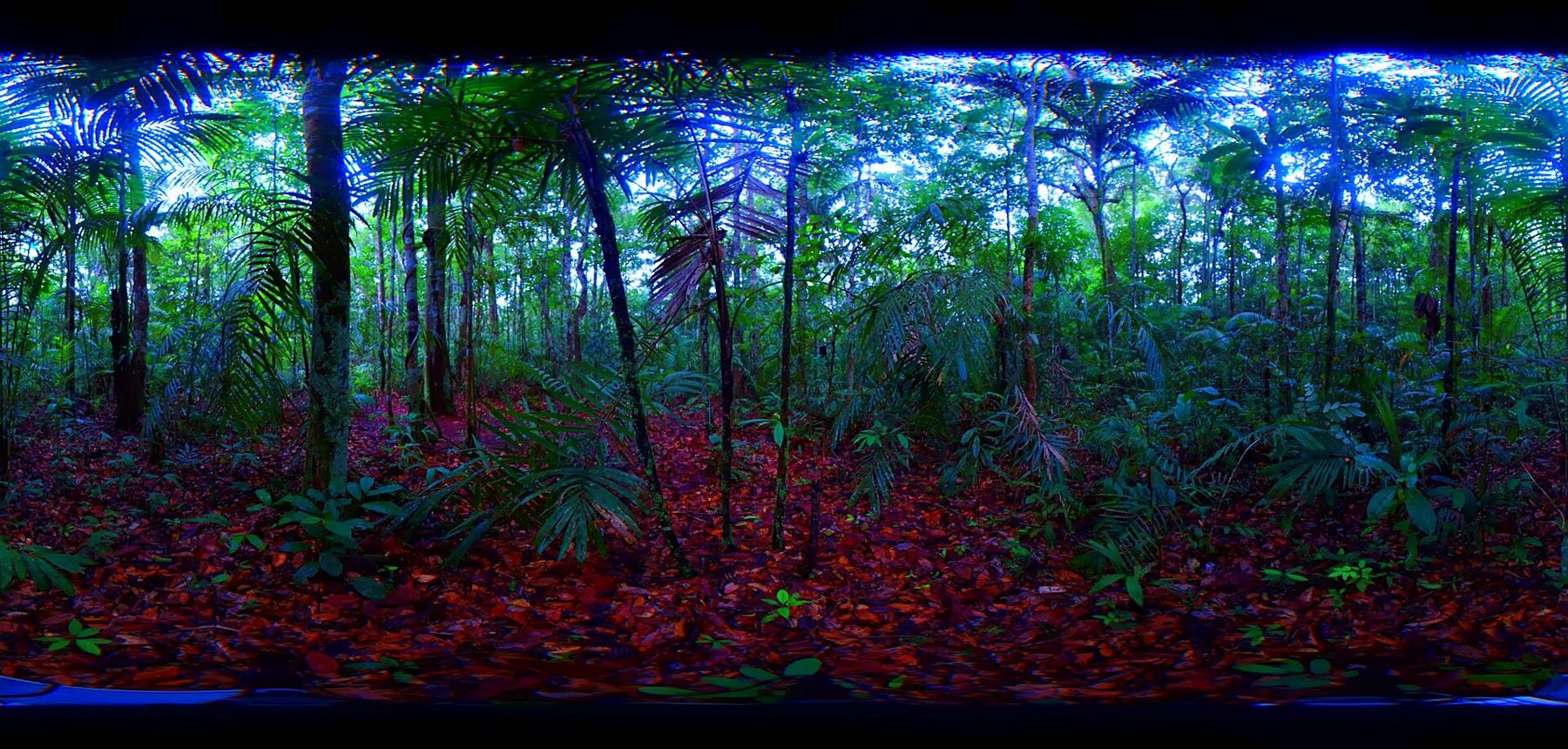
South America runs from north of the equator to about 55 degrees south. It holds snow peaks, the largest rainforest on Earth, one of the driest deserts and a windy subantarctic tip. Asking for its best month is like asking for Europe's and Africa's at the same time. The useful question is narrower: which season suits the stratum you are visiting.
Why is there no single best time?
Two different calendars run at once. In the tropics, temperature barely changes through the year; what changes is rain. In the south, the year has true summers and winters, and they are the reverse of the northern hemisphere's: December is midsummer in Patagonia, July is midwinter.
Altitude adds a third layer. A high city near the equator can have spring-like days all year and frost at night, while a valley a day's drive below swelters. Plan by height and latitude, not by country.
When is the dry season in the central Andes?
In the highlands of Peru and Bolivia, the pattern is clear. The dry season runs roughly from May to September, the southern winter. Days are sunny, skies over Cusco and Lake Titicaca are a hard, clean blue, and nights drop below freezing on the altiplano. It is the busiest time on the classic routes.
The wet season runs roughly from December to March, with afternoon storms, muddy trails and occasional landslides on mountain roads. The landscape turns green and the crowds thin. The Inca Trail itself closes every February for maintenance, though Machu Picchu stays open year round. The shoulder months, April and October to November, often give a fair balance.
The wet season has one famous reward. After rain, a thin sheet of water lies across the Salar de Uyuni and the flat becomes a mirror for the sky, usually in the first months of the year. In the dry season the same salt is a cracked white plain you can drive far across.
What about the Andes near the equator?
In Colombia and Ecuador the seasons are softer. Bogotá and Quito keep similar temperatures all year, cool by day and cold at night, and rain can fall in any month. Broadly, Quito's drier stretch runs from about June to September; Bogotá tends to see two drier periods, around December to February and again in the middle of the year.
The coffee country and the valleys below these cities follow the same rhythm with more warmth and more mud. Pack for rain whenever you go and choose months for drier trails, not for guaranteed sun.
When do the Amazon's rivers rise and fall?
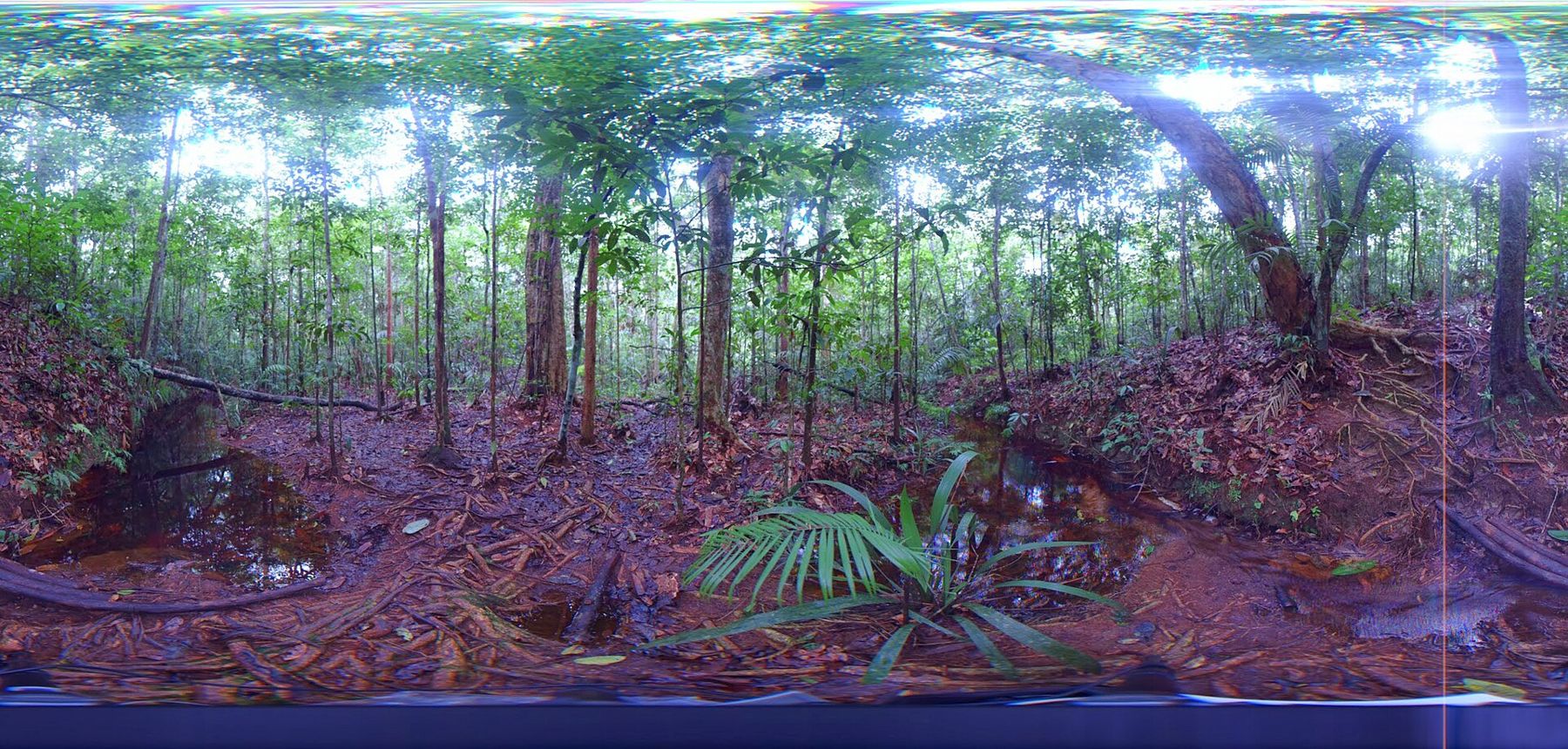
In the central Amazon the defining season is the river. Around Manaus, the water climbs through the first half of the year and usually peaks around May or June, then falls to its lowest around October and November. The difference can be many metres.
High water floods the forest, and canoes slip between the tree trunks of the igapó where people walked months before. Low water exposes beaches and trails and concentrates wildlife along the channels. Neither is better; they are different trips. The story on the Amazon from Manaus describes both. Rain falls in every month, more heavily in the first half of the year, and the heat and humidity barely change.
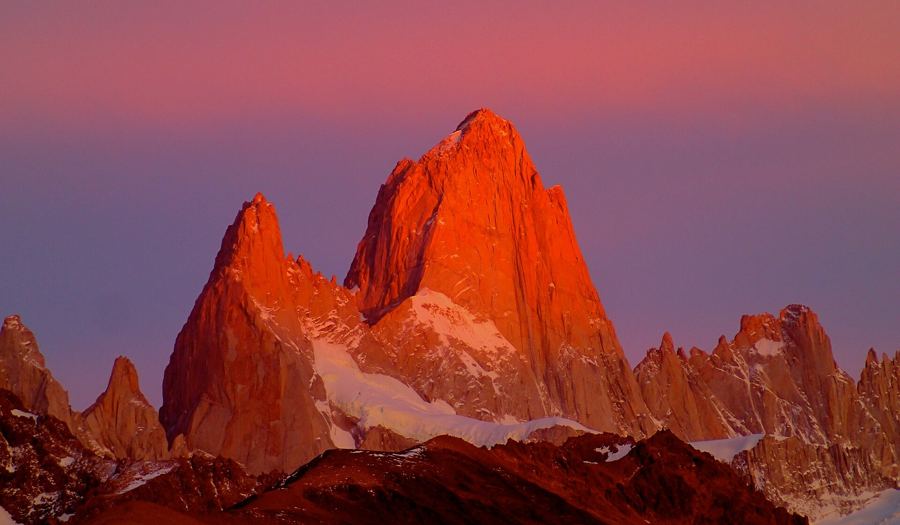 400 mEl Chaltén: walking under Fitz Roy
When is Patagonia open?
The cold south has a short main season, roughly November to March. Days are long, with light late into the evening in December and January, and the trails, boats and mountain huts are running. This is also when the wind is often at its strongest.
In winter many services close, mountain trails take snow, and some roads become slow or shut. Shoulder months bring autumn colour in the beech forests around April and quieter trails in spring, along with less predictable weather. In Torres del Paine and around El Chaltén, rules for campsites and huts in the busy season change and usually need arranging well ahead.
What about the Caribbean and the Atlantic coast?
Colombia's Caribbean coast is hot all year. It is generally drier from about December to April, with heavier rain later in the year. National parks on that coast, including Tayrona, close for periods each year to let the land rest and for the Indigenous communities who hold it sacred; the dates vary, so check before planning around them.
In Rio de Janeiro, summer from December to March is hot and humid, with sudden heavy showers. The southern winter is milder and drier, and still warm enough for the beach on most days. Further south, Buenos Aires has four real seasons, with a muggy summer and a cool, grey winter.
The Atacama is dry almost all year, but in the southern summer storms can build over the high ground to the east and close some high roads for a while.
Which festivals fall when?
- February or March: Carnival, its date tied to Easter. Rio's is the most famous; Oruro in Bolivia holds a great Andean carnival of masked dancers. Puno's Fiesta de la Candelaria fills the shore of Titicaca in February.
- March or April: Holy Week, with processions in colonial cities such as Quito, Popayán and Cusco.
- 24 June: Inti Raymi, the festival of the sun, staged at Sacsayhuamán above Cusco.
- 1 and 2 November: All Saints' and the Day of the Dead, kept with family visits to cemeteries across the Andes.
- December to February: school and summer holidays in the southern countries, when beaches, Patagonian towns and buses fill.
Festivals are wonderful and they fill rooms and transport, so book ahead around them.
How do you plan a trip that crosses strata?
The calendars rarely line up. The Andean dry season is Patagonia's winter, and Patagonia's summer is the Andean rains. A long trip can follow both: the far south in the southern summer, then north into the highlands as the rains end. Or pick one season and accept some weather elsewhere.
Whichever you choose, pack for every condition the route crosses, from hot rain on the coast to frost above 3,500 metres. The Andes in July and Patagonia in January both reward the effort, and a few days of cloud rarely spoil a trip planned around the right season.