Cusco was the capital of the Inca empire, the centre of a state that ran along the Andes from what is now Ecuador to central Chile. Under the ruler Pachacuti, in the fifteenth century, it was rebuilt as a city of palaces and temples of finely cut stone. The Spanish reached it in 1533. They took the city, stripped its gold and built their own churches, convents and mansions on top of the Inca buildings, often using the old walls as foundations.
The result is what you see today: streets lined with Inca walls of grey stone, blocks fitted so tightly that a knife blade will not slip between them, with whitewashed colonial houses, carved wooden balconies and red tile roofs above. UNESCO listed the city in 1983.
Cusco stands at 3,400 metres. The air holds only about two thirds of the oxygen at sea level, and almost everyone feels it. Many visitors fly in from Lima, at sea level, and arrive the same morning. Expect shortness of breath on the slightest slope, a racing heart, headaches, and poor sleep for the first night or two. Take the first day very easy: rest, drink water, eat lightly, avoid alcohol and do not plan anything strenuous. Many people start lower down, in the Sacred Valley, and come up to Cusco after a couple of days. If symptoms get worse instead of better, go lower and see a doctor. Coca leaf tea is offered everywhere, a local custom for the altitude.
The climate is cool and dry for much of the year, with bright, strong sun by day and cold nights, often below freezing in the middle of the year. Rain falls mostly from about November to March. Wear a hat and sunscreen, and bring a warm jacket for the evening; the cold comes fast when the sun goes down.
This walk is planned for your second or third day. It begins at the highest point, reached by taxi, and works downhill through the city, about four kilometres in all. Many of the sites are covered by a combined tourist ticket; check what it includes when you buy it.
Sacsayhuamán
On the hill above the city, a few hundred metres higher than the Plaza de Armas, stand the walls of Sacsayhuamán. Three tiers of walls zigzag across the slope, built of enormous blocks of limestone, the largest weighing many tonnes and taller than a person, fitted together with complete precision. The Inca built a large complex here, with towers and buildings now gone, whose purpose is still discussed: a temple, a fortress, or both.
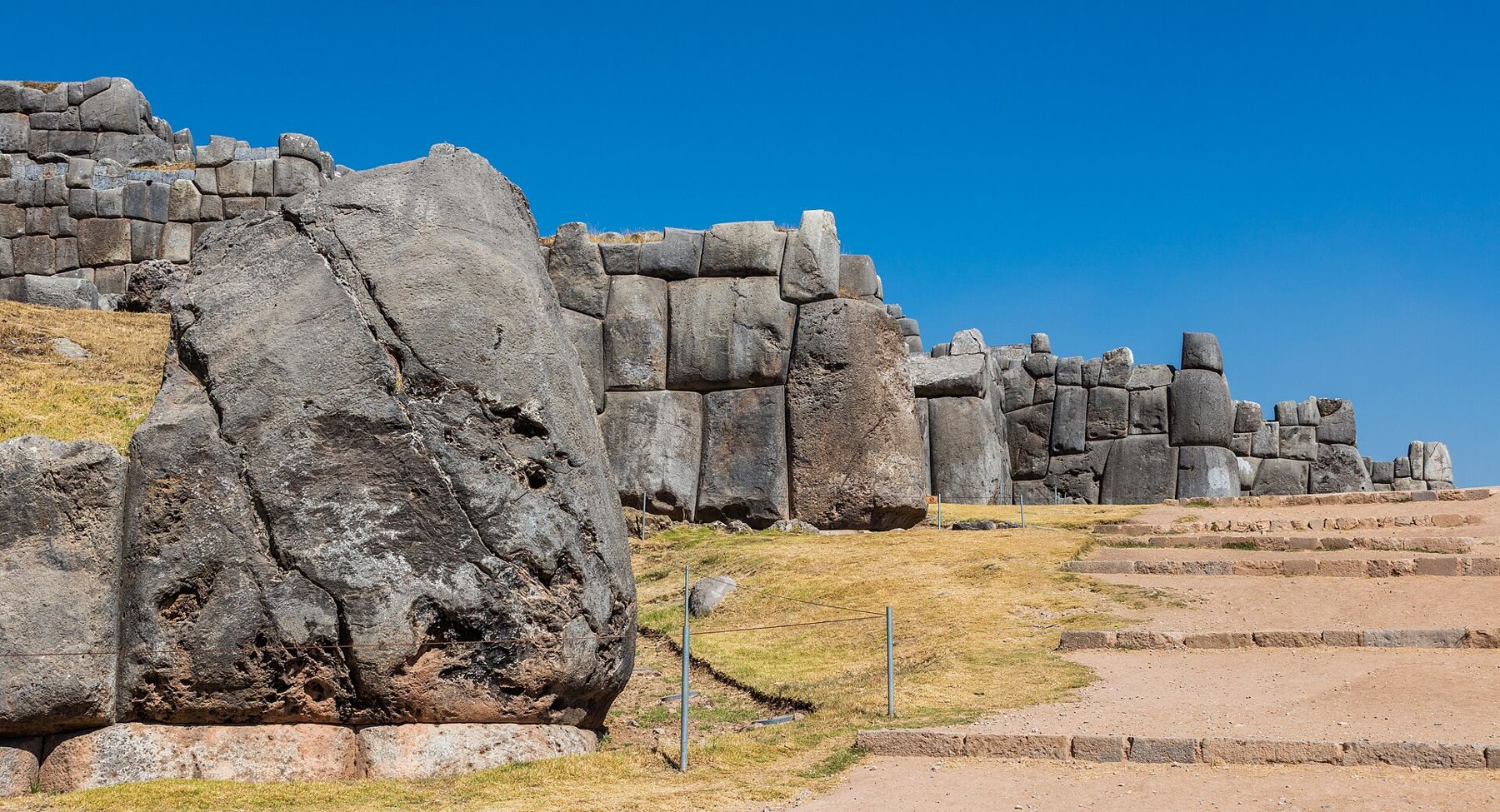
In 1536 it was the scene of a fierce battle, when the Inca ruler Manco Inca laid siege to the Spanish in Cusco. Every June, the festival of Inti Raymi, the Inca celebration of the sun, is re-enacted on the great open field in front of the walls. Walk slowly here; this is the highest point of the walk.
From the top of the hill, a path of steps leads down to the city, arriving near the Plaza de Armas.
Plaza de Armas
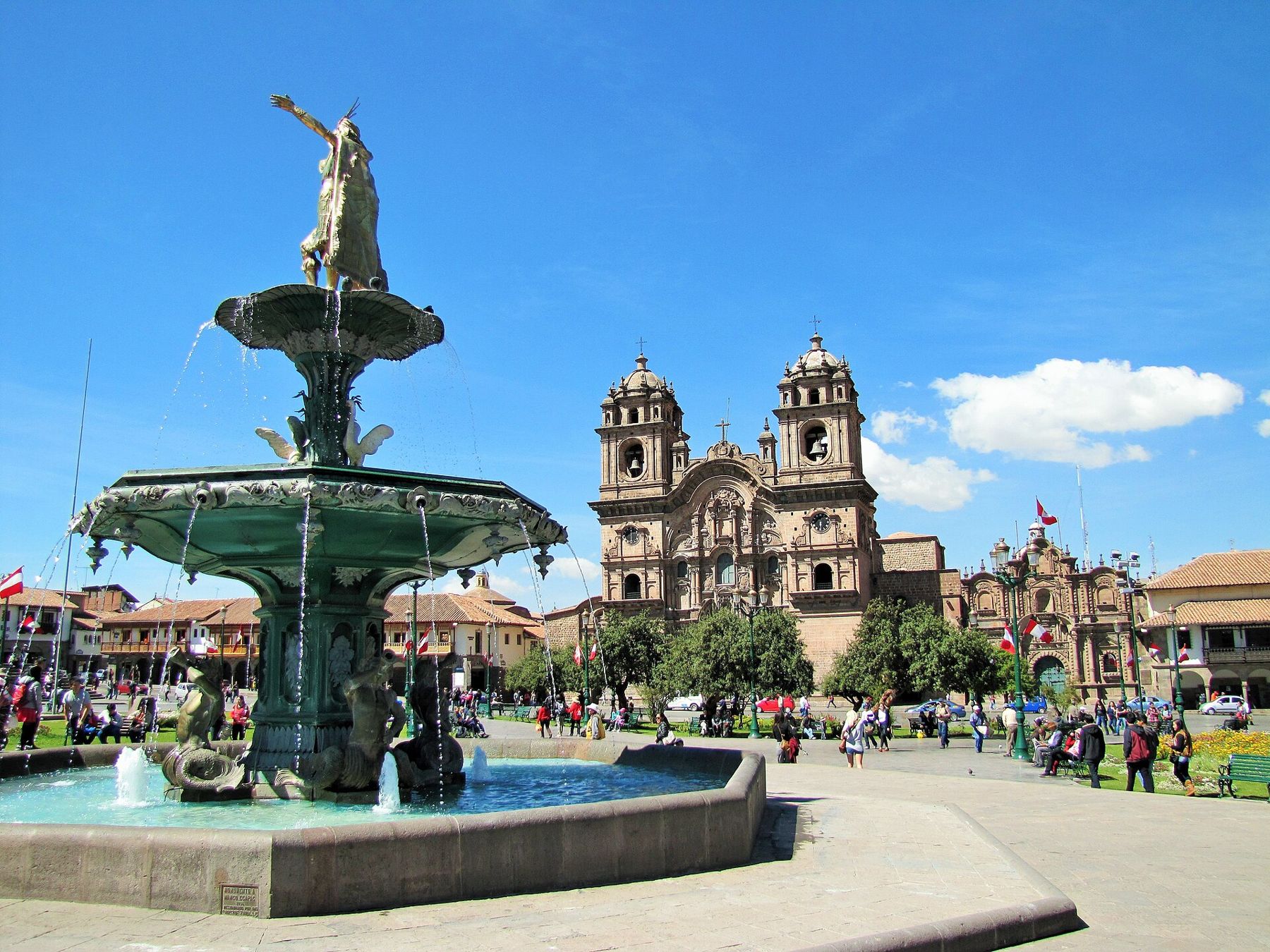
In Inca times the great square at the heart of Cusco was much larger, a ceremonial space where festivals and parades were held. The Spanish divided it and lined it with arcades and churches. Today it is the centre of the city's life, full of people sitting on benches, children playing around the fountain, and vendors selling everything from paintings to ice cream.
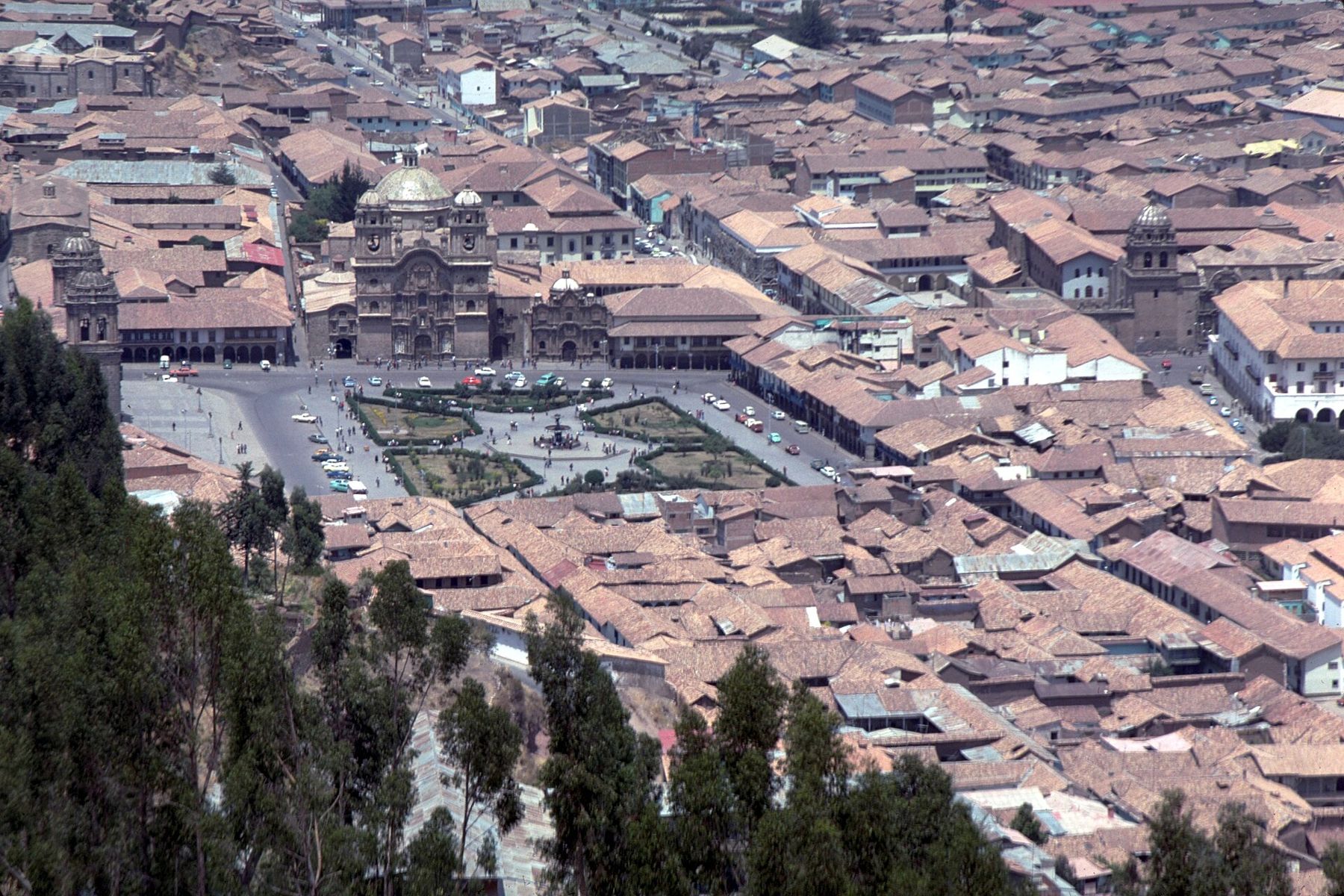
Two great churches face the square. The cathedral, on the northeast side, was built over many decades from the sixteenth century, partly with stone from Sacsayhuamán. It holds a large collection of paintings of the Cusco School, in which local artists painted Christian scenes with Andean details: in one well-known Last Supper, the dish on the table appears to be a roast guinea pig. On the southeast side stands the Jesuit church of La Compañía, with an elaborate stone facade that seems built to rival the cathedral.
Sit for a while. You will need to.
Hatun Rumiyoq and the twelve-angled stone
From the plaza, walk up Calle Triunfo and continue into the narrow street of Hatun Rumiyoq. Along it runs one of the finest Inca walls in the city, part of a building believed to have been a palace of an Inca ruler, now the archbishop's palace and a museum of religious art.
About halfway up is the twelve-angled stone. It is a large block of green-grey stone, cut with twelve angles on its face, each fitting exactly against its neighbours. It is not the largest or the most important stone in Cusco, but it shows better than any other the skill of the Inca masons. There is usually a crowd. Do not touch the stone.
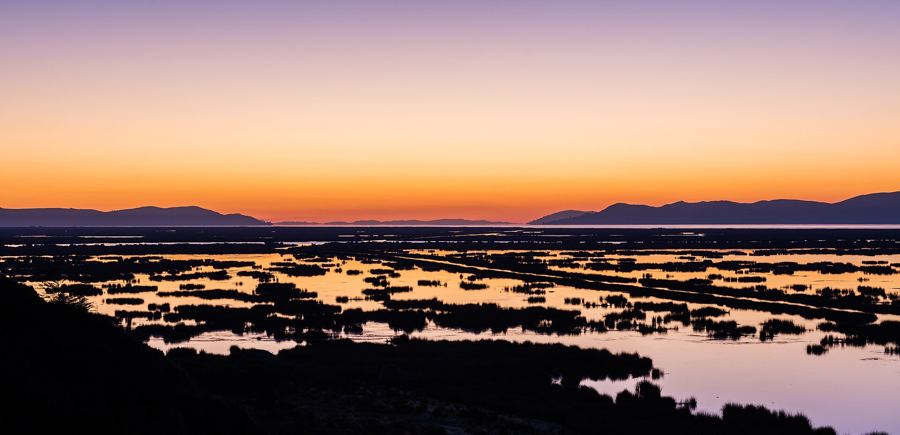 3,812 mTiticaca, the lake at the top of the road
San Blas
Continue uphill into San Blas, the artisans' quarter, a neighbourhood of steep, narrow streets and stairs, whitewashed walls and blue doors, with workshops of painters, carvers and weavers. The climb is short but stiff at this altitude. Take it a few steps at a time.
The small church of San Blas, on its square, is plain on the outside. Inside it holds one of the most famous works of colonial woodcarving in the Americas: a pulpit carved from cedar, covered in figures of saints, angels, faces and leaves.
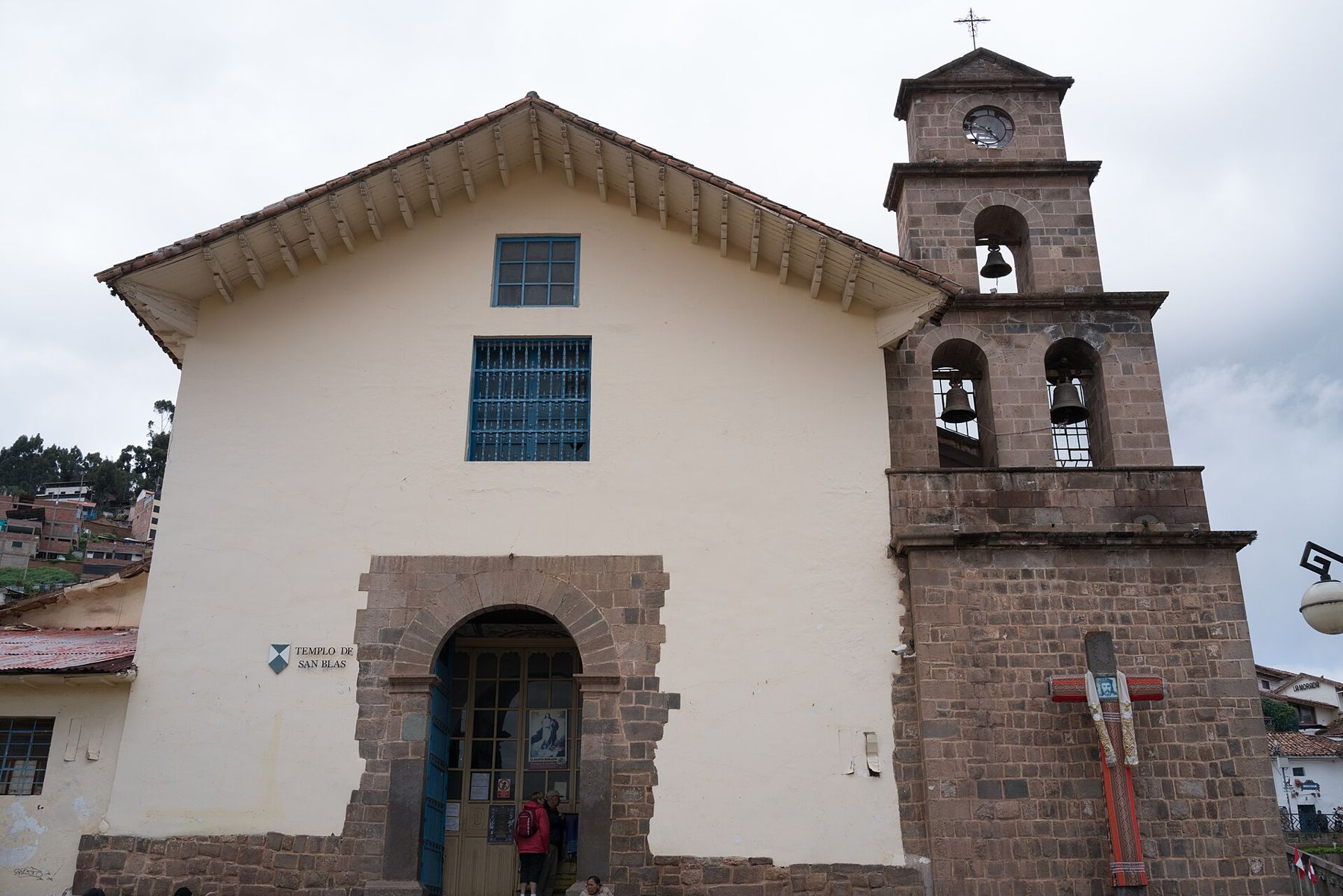
From the top of San Blas, look back over the red tile roofs of the city toward the mountains on the other side of the valley.
Qorikancha and Santo Domingo
Walk downhill, back past the plaza, and south along Calle Loreto, a narrow lane between two long Inca walls, to Qorikancha. It was the most important temple of the Inca empire, dedicated to the sun. Its walls were covered in sheets of gold, and its courtyards held figures of gold and silver. The Spanish stripped it of everything within a few years of their arrival.
The Dominican order built the church and convent of Santo Domingo on top of the temple, using its walls as foundations. When an earthquake struck Cusco in 1950, much of the colonial building was damaged, and the Inca walls beneath were revealed. Today you can walk through the convent and see Inca chambers within it, their walls perfectly fitted, with trapezoid niches and doorways.
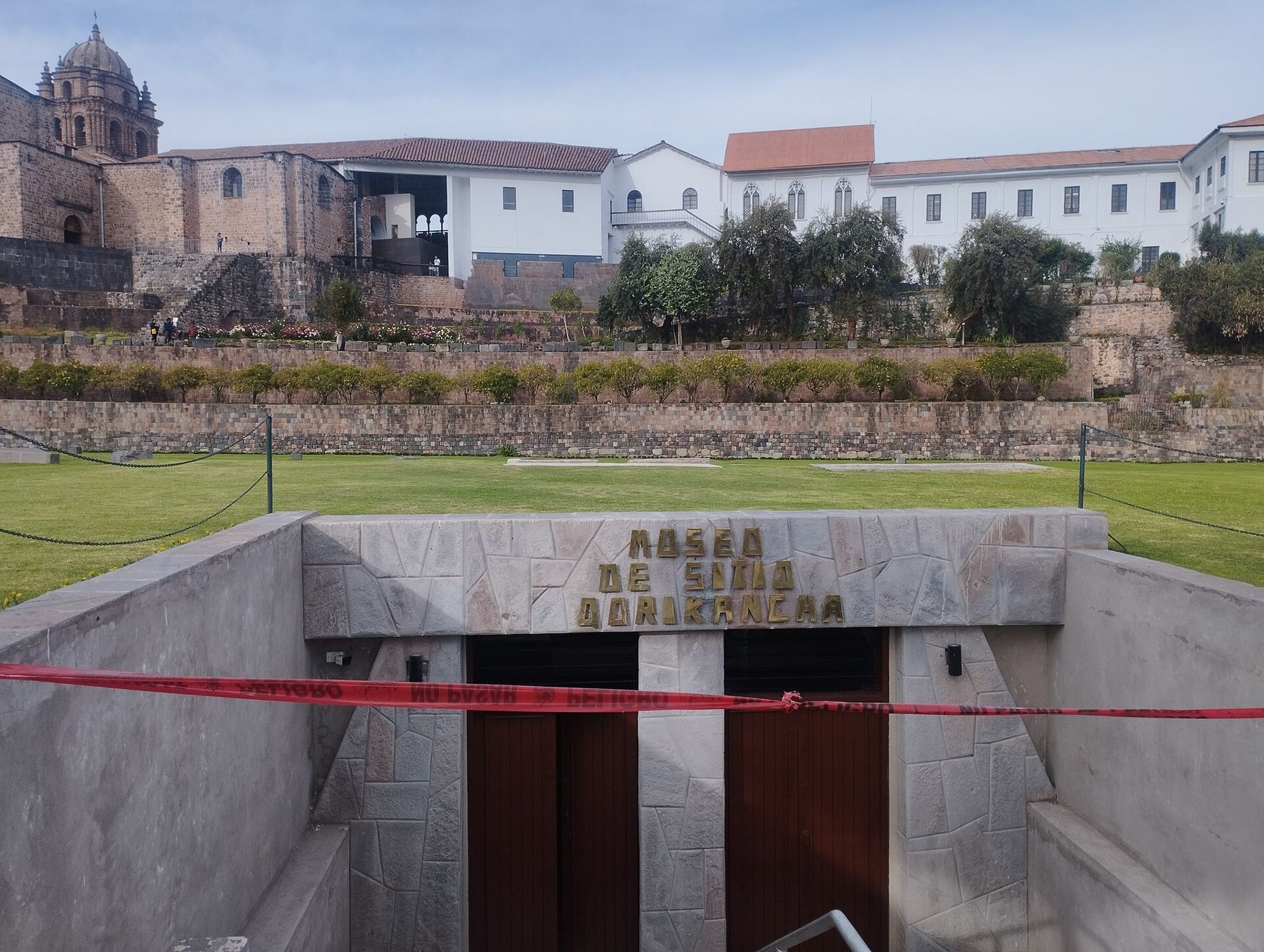
From the street below, look at the great curved wall of Inca stone that supports the end of the church, as smooth and precise as anything in Peru.
Mercado de San Pedro
End the walk to the west, at the Mercado de San Pedro, the central market. It is a large, busy hall of stalls selling fruit, vegetables, bread, cheese, meat, herbs and flowers, with long counters where people sit to eat soup and drink fresh fruit juices made to order. After a morning at altitude, a bowl of hot soup and a glass of juice are exactly right.
Keep an eye on your bag in the crowds, as in any market.
After the walk
Cusco is the gateway to the Sacred Valley, a little lower and warmer, and to the citadel of Machu Picchu, almost a thousand metres lower. Both are good places to recover from the altitude. Above the city, the trails climb higher, to the passes and coloured mountains around Vinicunca, at more than 5,000 metres. Go there only when you have spent several days at Cusco's height.
Before you leave, come back to the Plaza de Armas after dark. The cold settles in, the churches are lit, and the stone walls of the old Inca city glow faintly gold beneath the colonial balconies.