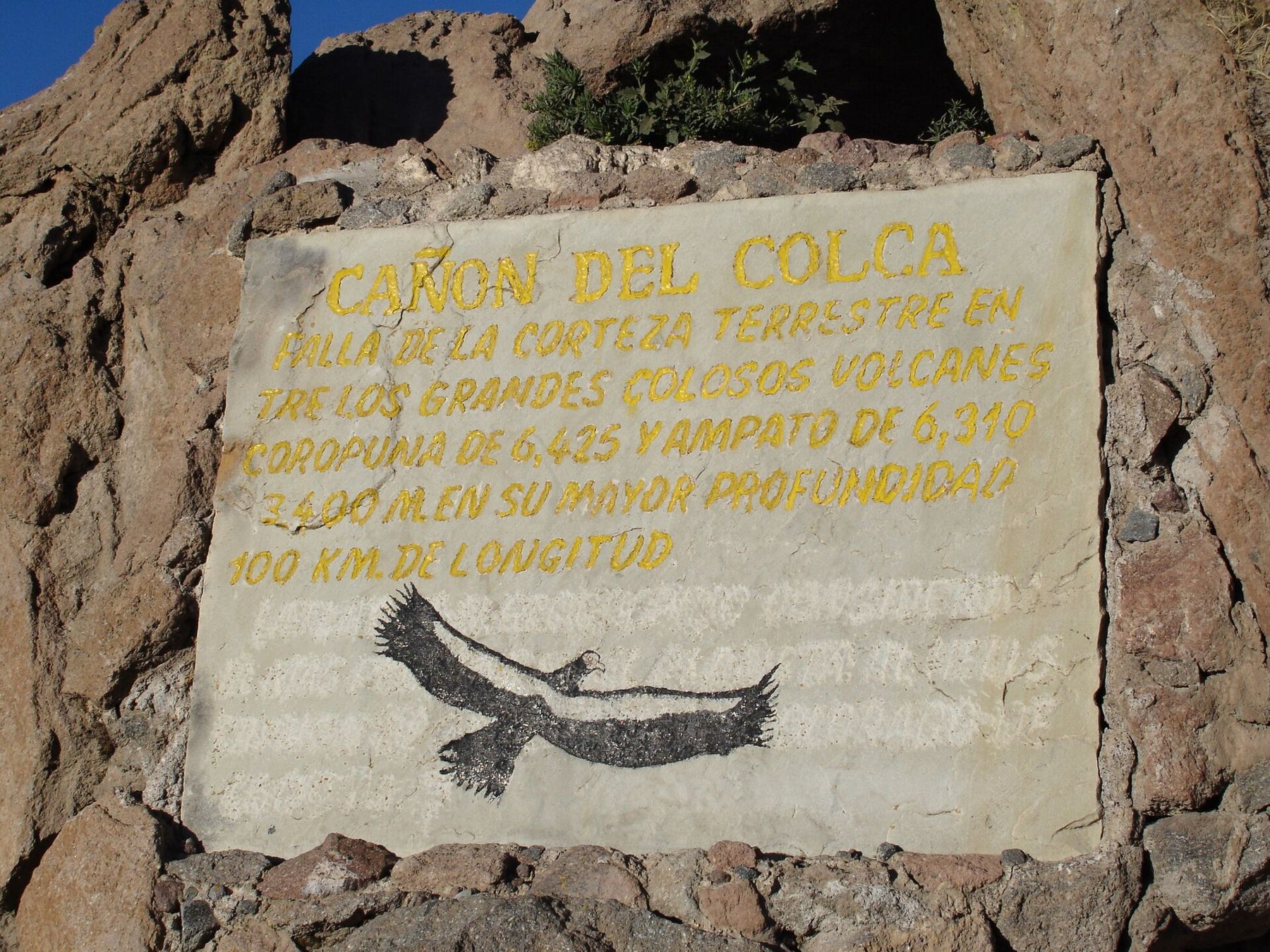
The Colca Canyon is in southern Peru, north of Arequipa, where the Colca river has cut a deep gorge through the Andes. It is often described as one of the deepest canyons on earth, more than twice the depth of the Grand Canyon by the usual measure, though from its rim it does not look like a single chasm. It looks like a long valley of terraces, stepped up both sides in hundreds of narrow ledges, with villages and white churches every few kilometres and snow volcanoes above.
The valley floor around Chivay lies at about 3,635 metres. The road there from Arequipa crosses a pass close to 4,900 metres. At those heights the air feels thin and sharp, the sun burns in minutes, and the nights are cold even when the afternoons are warm. The great draw, the Andean condors at Cruz del Cóndor, is a morning affair, so this trip is also a series of early starts.
The safest way to come is from Arequipa after two or three days there. At 2,335 metres it is a good first step. Coming straight from the coast to the pass in a single day is a common cause of headaches and nausea, so allow time.
Over the high pass
The road from Arequipa climbs out of the city past the volcano Misti and crosses a high plateau protected as a national reserve, where herds of vicuñas graze on yellow grass and the bare cones of volcanoes stand on every side. The highest point is the Mirador de los Volcanes on the Patapampa pass, a field of small stacked-stone cairns built by passing travellers, with a view across a row of snow-capped volcanoes.
At this height, even getting out of the vehicle is an effort. Walk slowly, do not climb the slope behind the viewpoint, and get back in the warmth if you feel dizzy. Sip water. From the pass, the road drops in long bends into the head of the Colca valley.
Chivay and the terraces
Chivay is the valley's market town, a square with a church, a covered market and a few streets of low buildings, at the point where the valley is still wide and gentle. Most people spend the first night here. Hot springs a short way outside town are a good use of the first afternoon: warm water, cold air and no exertion.
Evenings in Chivay are cold once the sun goes behind the mountains, and rooms are often unheated, so keep a fleece and hat to hand and ask for extra blankets. Eat early and lightly, drink plenty of water, and go to bed early: the condors keep morning hours, and so will you. If the night brings a headache, that is common at this height on a first night; if it worsens rather than eases by morning, stay put and rest before going further.
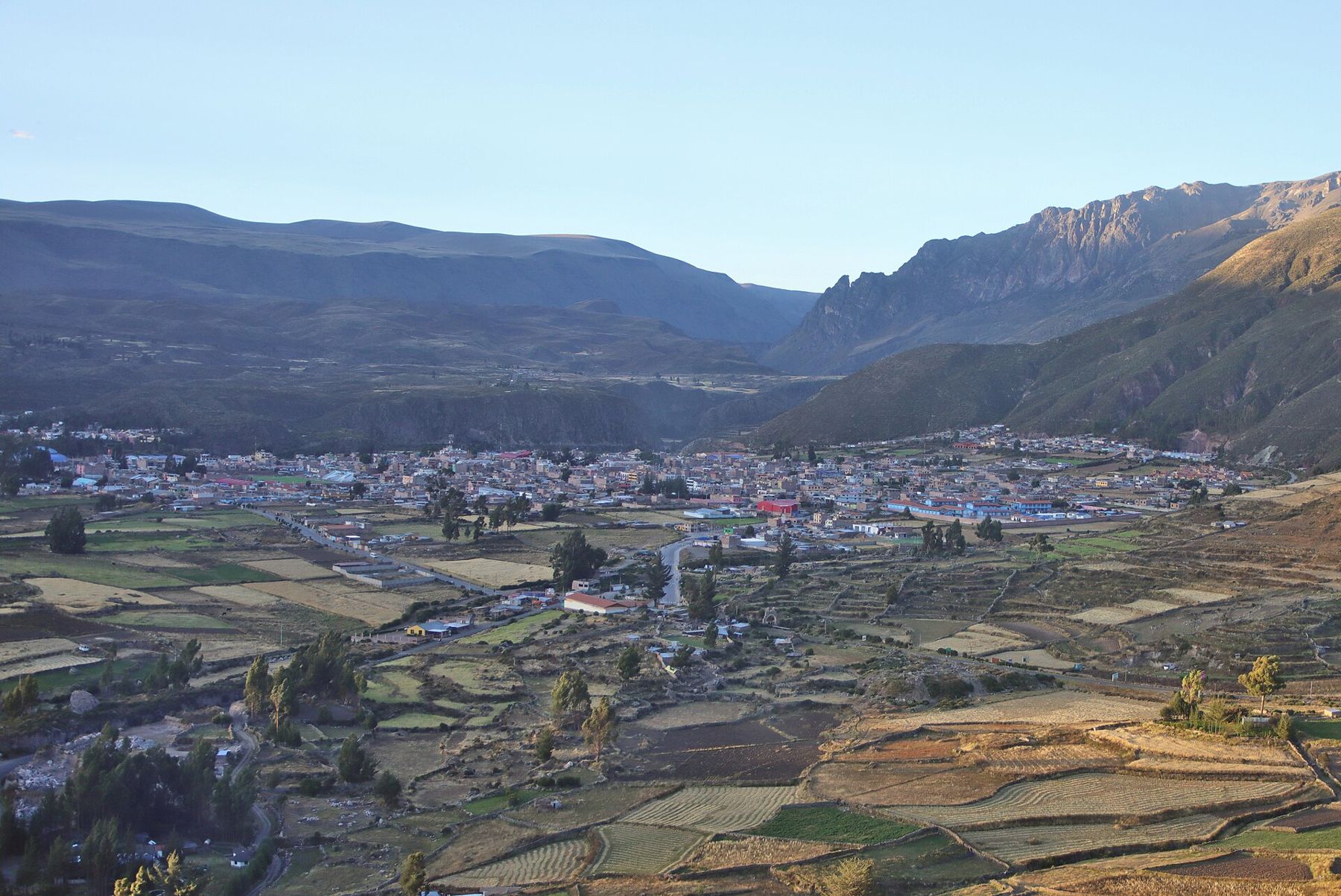
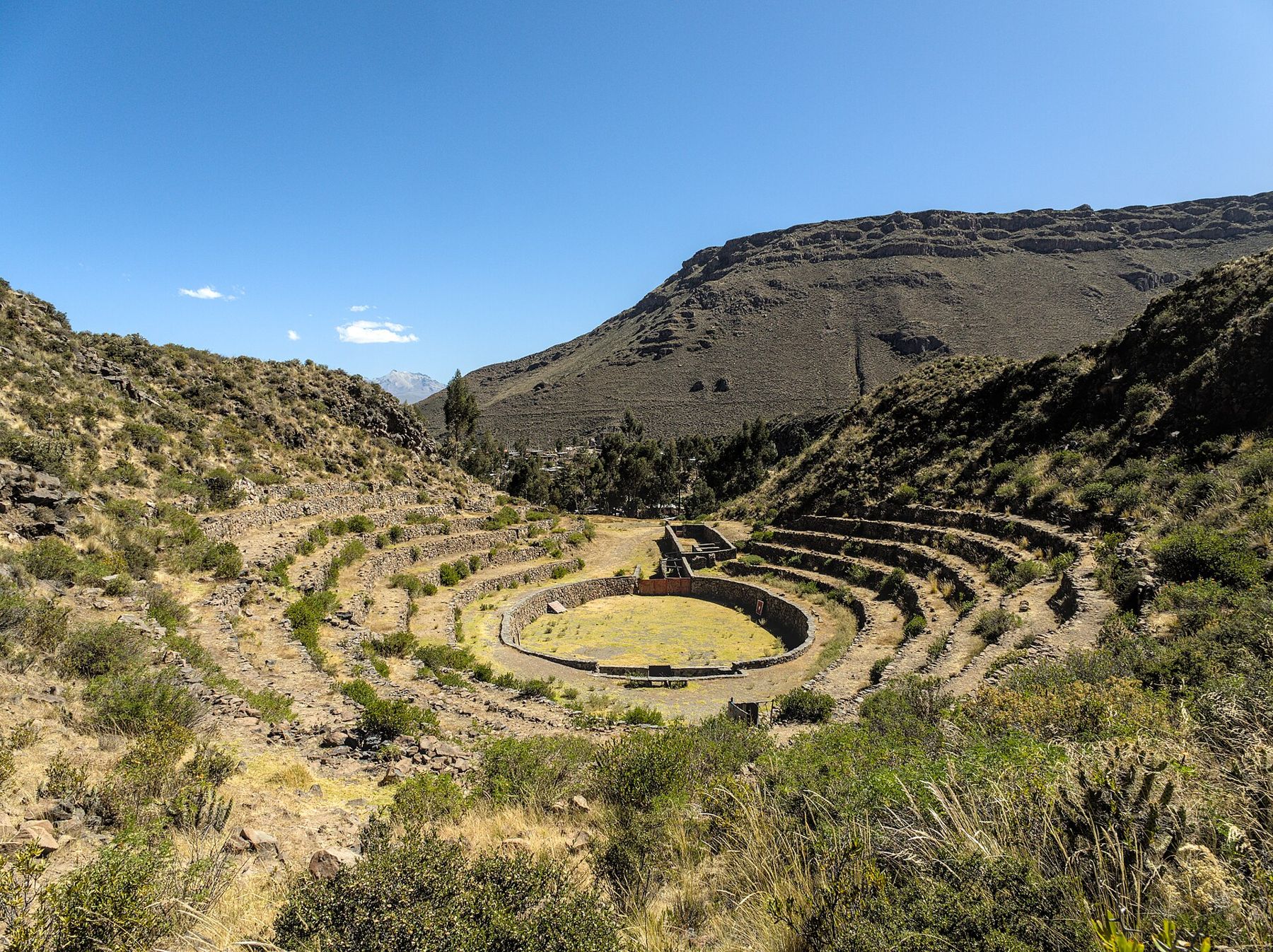
The terraces are the most remarkable thing in the Colca, more than any single view. Many were built long before the Inca by the Collagua and Cabana peoples who still farm the valley, and they are still in use, planted with maize, potatoes, quinoa and broad beans. The two groups were once distinguished by the shapes of their hats, and in the villages you will still see women in embroidered hats and skirts, many of them working the same terraces their families have worked for centuries.
Cruz del Cóndor
On the second morning, trips leave early and drive down the valley along the south side, through villages such as Yanque, Maca and Pinchollo, each with a colonial church on its plaza. The road passes viewpoints over the terraces and then reaches Cruz del Cóndor, a rocky ledge where the canyon becomes a gorge and the river is a thin line far below. 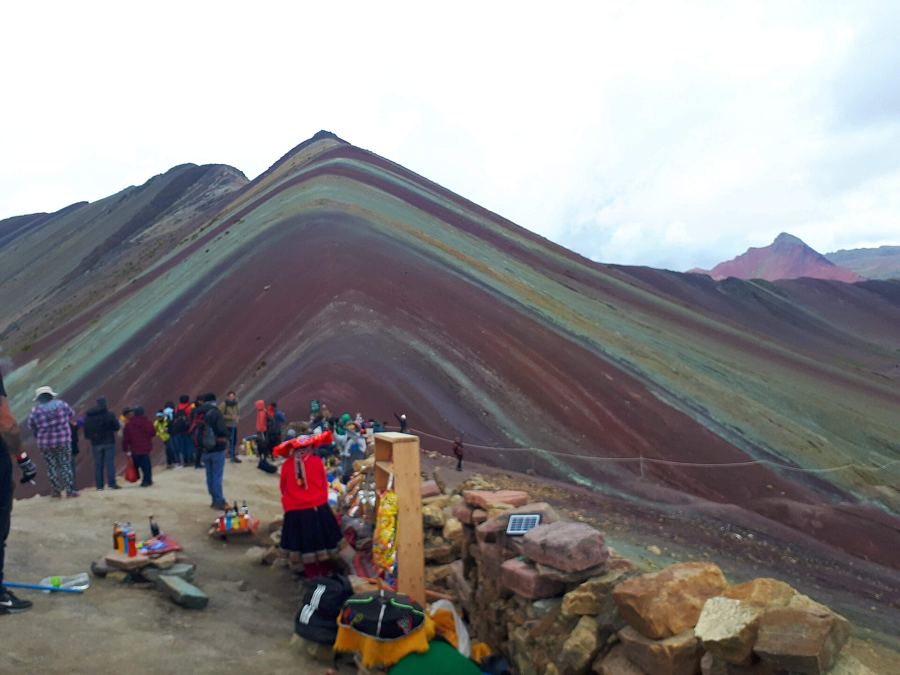 5,036 mVinicunca: stripes at the edge of the air
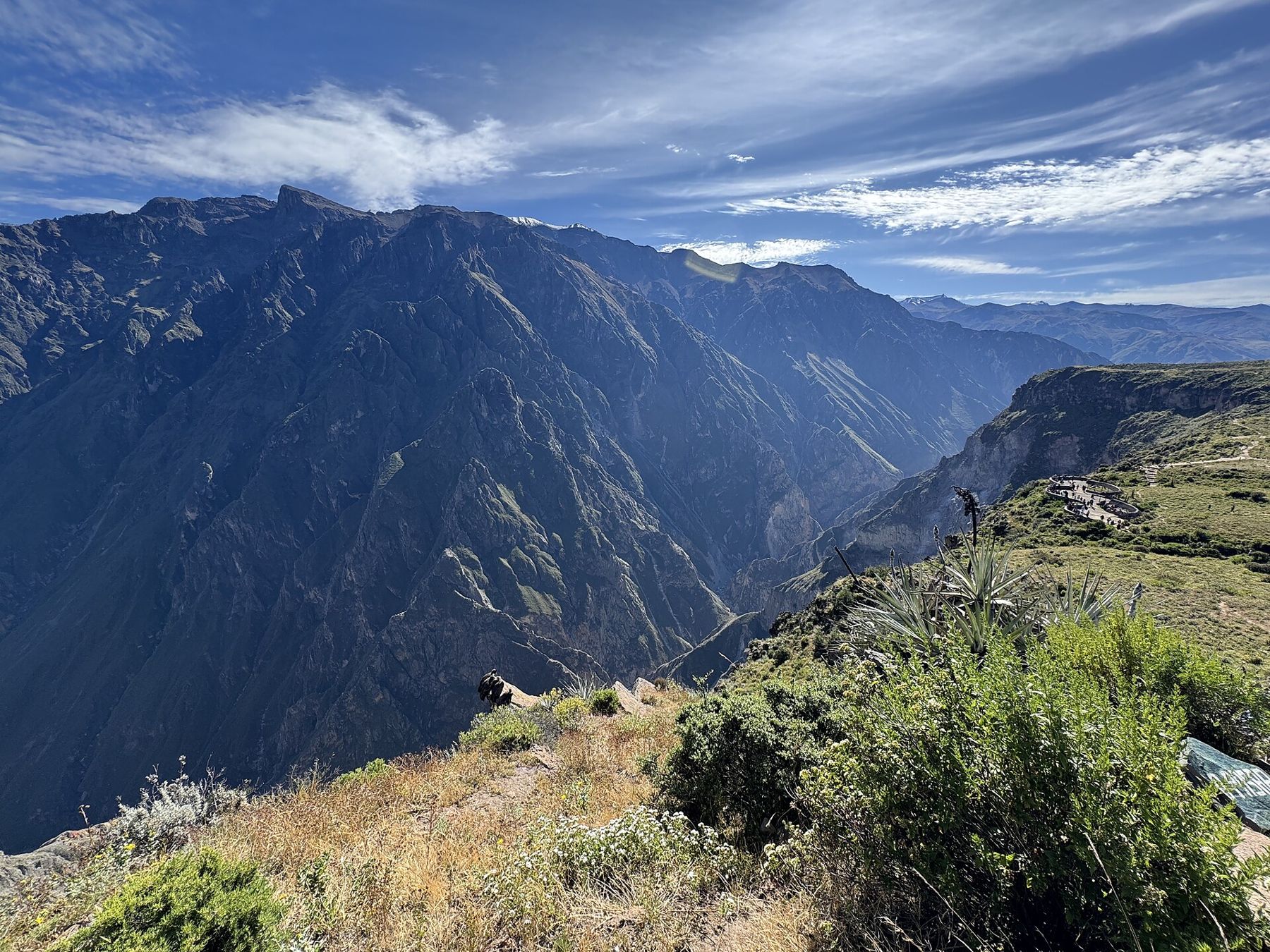
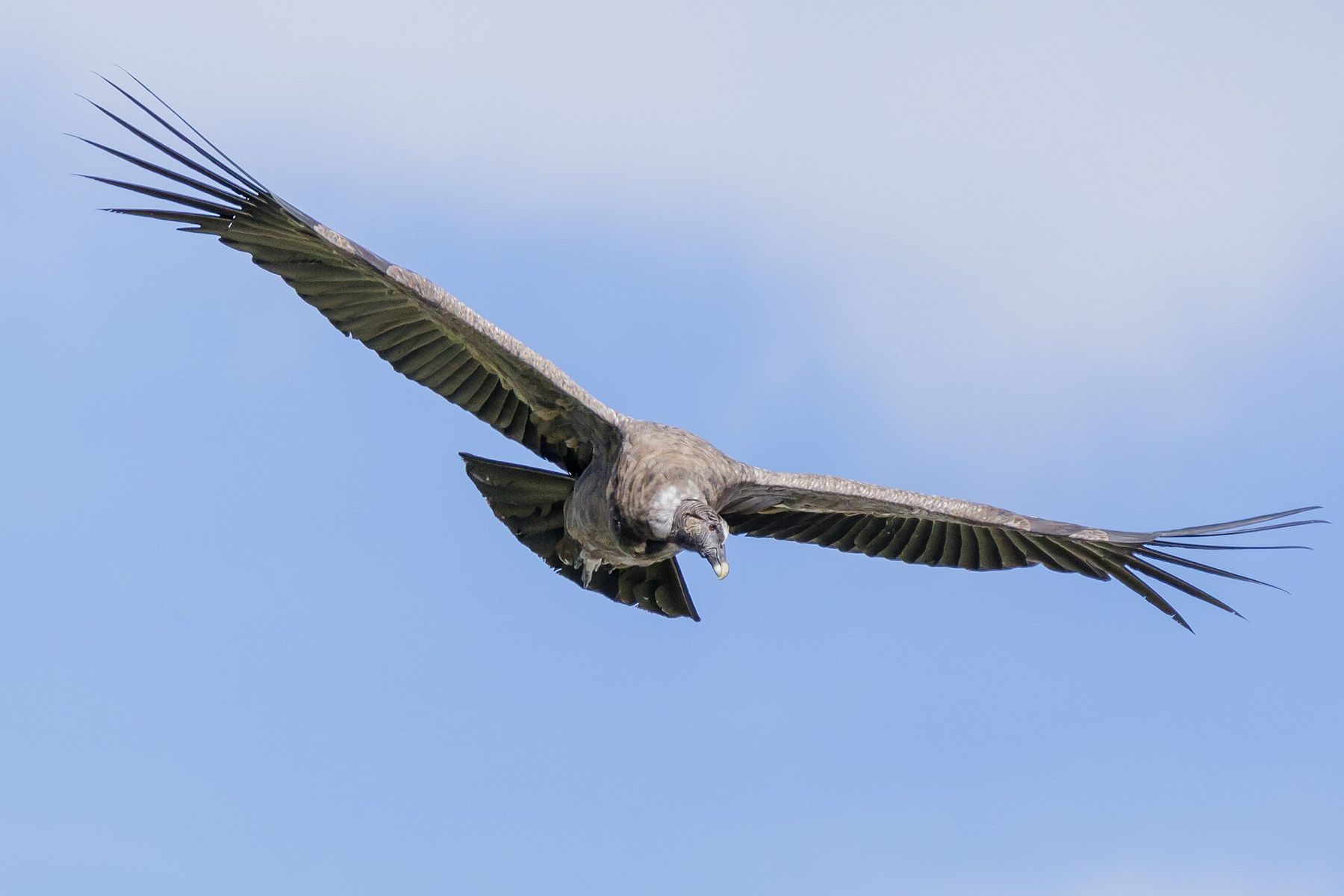
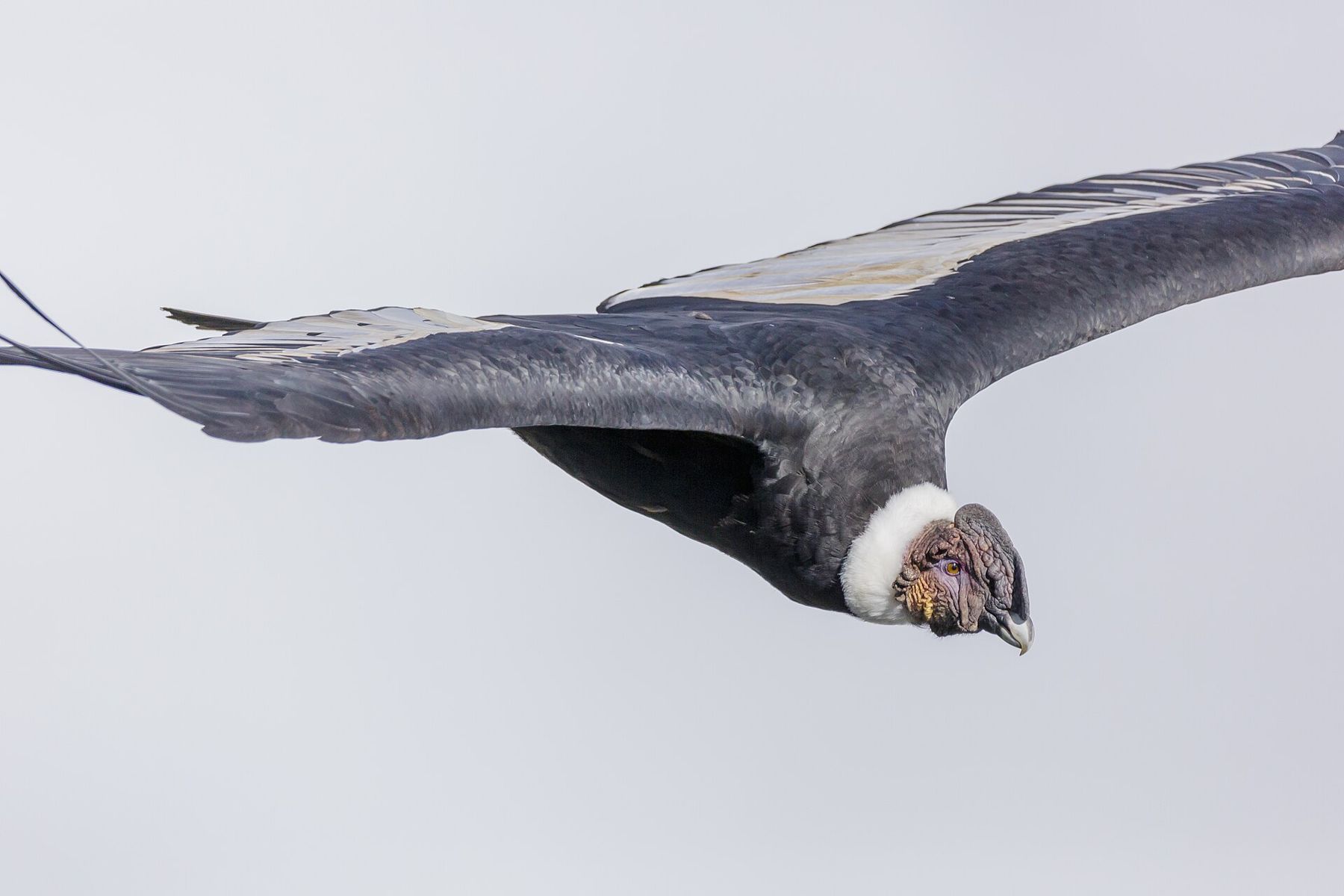
The condors live on the cliffs, and as the sun warms the air in the morning they rise on the thermals, often passing at eye level or just above the heads of people at the wall. They are enormous, with wingspans of about three metres, and they glide without flapping, adjusting with the tips of their feathers. Sightings are not guaranteed and are more frequent in some months than others. Arrive early, find a place along the wall rather than in the crowd at the cross, and wait.
A tourist ticket is required to enter the valley and is checked on the road. The rules and the price change; organised trips usually handle it.
Down to the river
Beyond Cruz del Cóndor, the road ends at Cabanaconde, a small farming town at the edge of the deep canyon and the start of the main trails. The classic two-day trek drops about a kilometre from the town down a zigzag path to the river, crosses it on a bridge, and passes through villages on the far side before reaching a green oasis of palm trees and pools on the canyon floor, at about 2,100 metres.
The descent is hard on the knees and easier on the lungs: you are going down into thicker, warmer air, and many people feel better at the bottom than they have for days. The afternoons in the canyon can be hot, so carry plenty of water, a hat and sun cream, and walk in the morning if you can.
The climb out
The climb out is the real test. It is the same kilometre of height in reverse, up a dusty, exposed path, and most walkers start before dawn to do it before the sun reaches the slope. At an altitude that ends above 3,200 metres, it can take several hours. Take short steps, stop to breathe every few minutes and drink regularly. Mules can be hired by those who need them. If you have a headache or feel unusually unwell, do not push on alone; tell someone.
By mid-morning you are back on the rim at Cabanaconde, looking down at the place where you slept. From here the road leads back up the valley to Chivay and over the pass to Arequipa.
Higher, lower
The Colca is a good rehearsal for higher places. If you coped well with the pass and the climb, the mountains around Cusco, and the high trails beyond, will be within your reach. If you did not, that is worth knowing too: read the guide to altitude sickness and give yourself more days before you go higher.
Go in the dry season, from about May to October, when the skies are clear and the condors fly in the cold mornings. The wet months bring green terraces and cloud. Either way, take a warm jacket for the nights, a hat for the noon sun, and the memory of a great dark bird sliding past at arm's length, then dropping out of sight into the canyon.