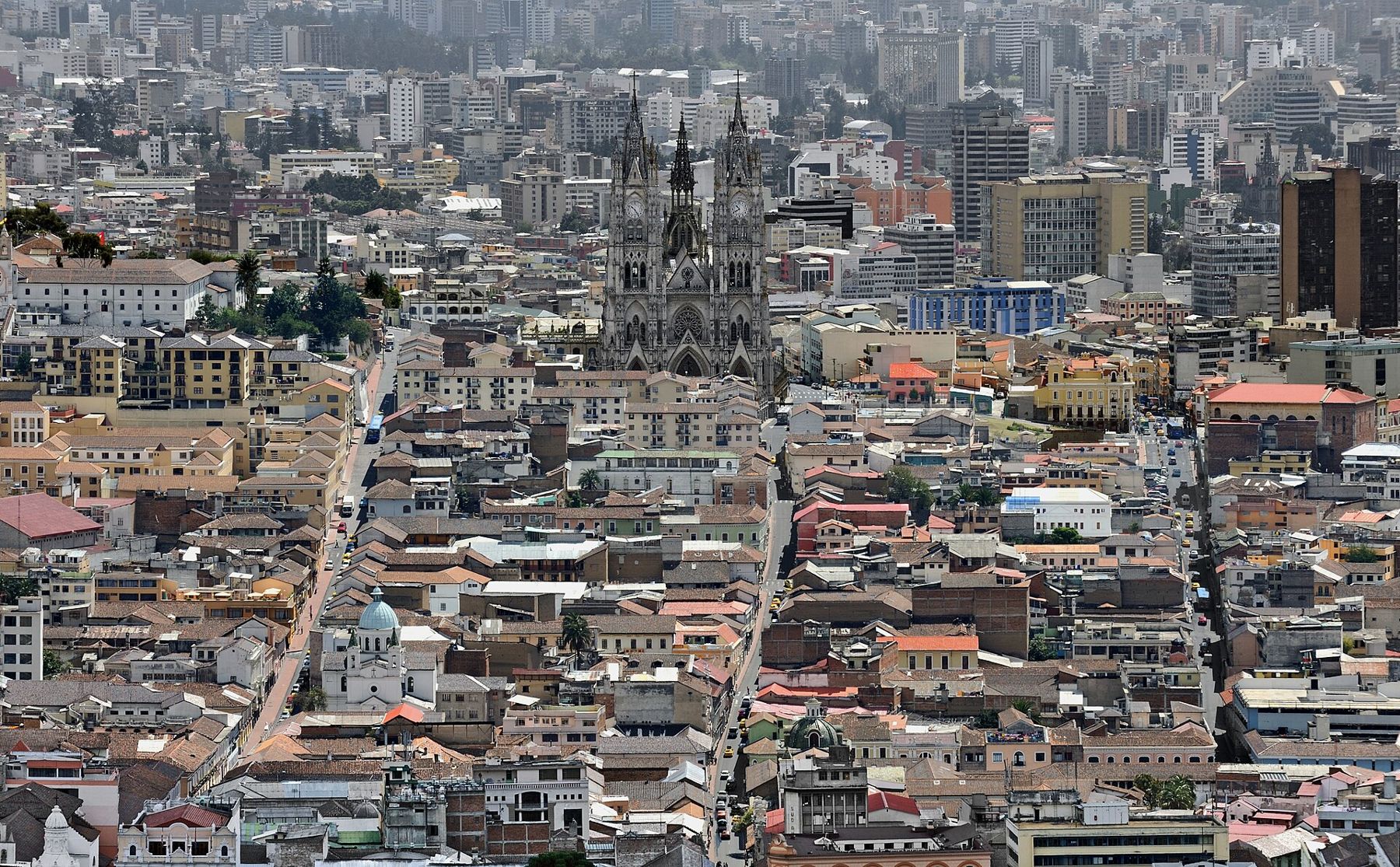
Quito lies in a long, narrow valley high in the Andes, about 25 kilometres south of the equator, at 2,850 metres. To the west rises the volcano Pichincha, green on its lower slopes, bare and grey above. To the east the land drops away toward deeper valleys. The city stretches north and south along the valley for many kilometres, but its heart is the colonial old town, a dense grid of whitewashed houses, balconies, plazas and churches on uneven ground in the middle.
In 1978 the historic centre of Quito was among the very first places listed by UNESCO as World Heritage, and it remains one of the largest and best preserved colonial centres in the Americas. The Spanish founded the city in 1534, on a site that had already been an important settlement under the Inca and before them.
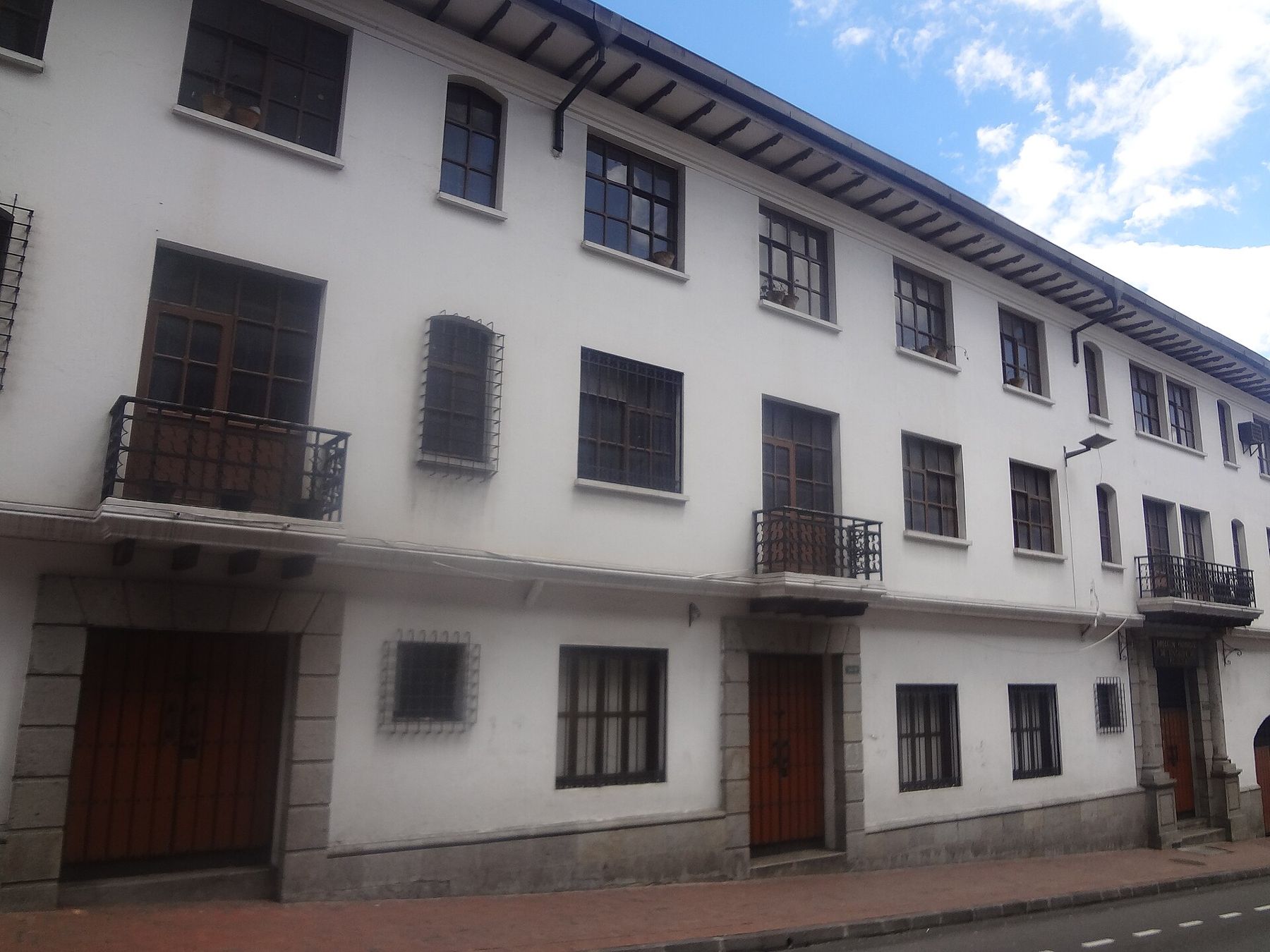
The altitude is the first thing you feel. The air holds less than three quarters of the oxygen at sea level, and the old town's streets climb and drop steeply. Expect to breathe hard on the hills, to sleep badly the first night, and to tire more quickly than usual. Take your first day gently, walk on the flatter streets, drink water, eat lightly and leave the climbs for later. If headaches or nausea get worse, rest, and go lower or see a doctor if they continue.
Being on the equator, Quito has no real summer or winter. Mornings are often clear and bright, afternoons cloud over, and rain is likely, except in the drier months from about June to September. The sun at this height and latitude is extremely strong, even through cloud. Wear a hat and sunscreen and carry a warm layer for the cool evenings.
This walk runs from north to south through the old town, about four kilometres. Go in daylight, keep valuables out of sight, and take a taxi for the last stop.
Basílica del Voto Nacional
Start at the northern edge of the old town, at the Basílica del Voto Nacional. It is among the largest neo-Gothic churches in the Americas, a huge grey building with tall towers, begun in 1892 and consecrated nearly a century later. Look closely at the outside: instead of the usual demons, its gargoyles are animals of Ecuador, among them tortoises, iguanas, armadillos and condors.
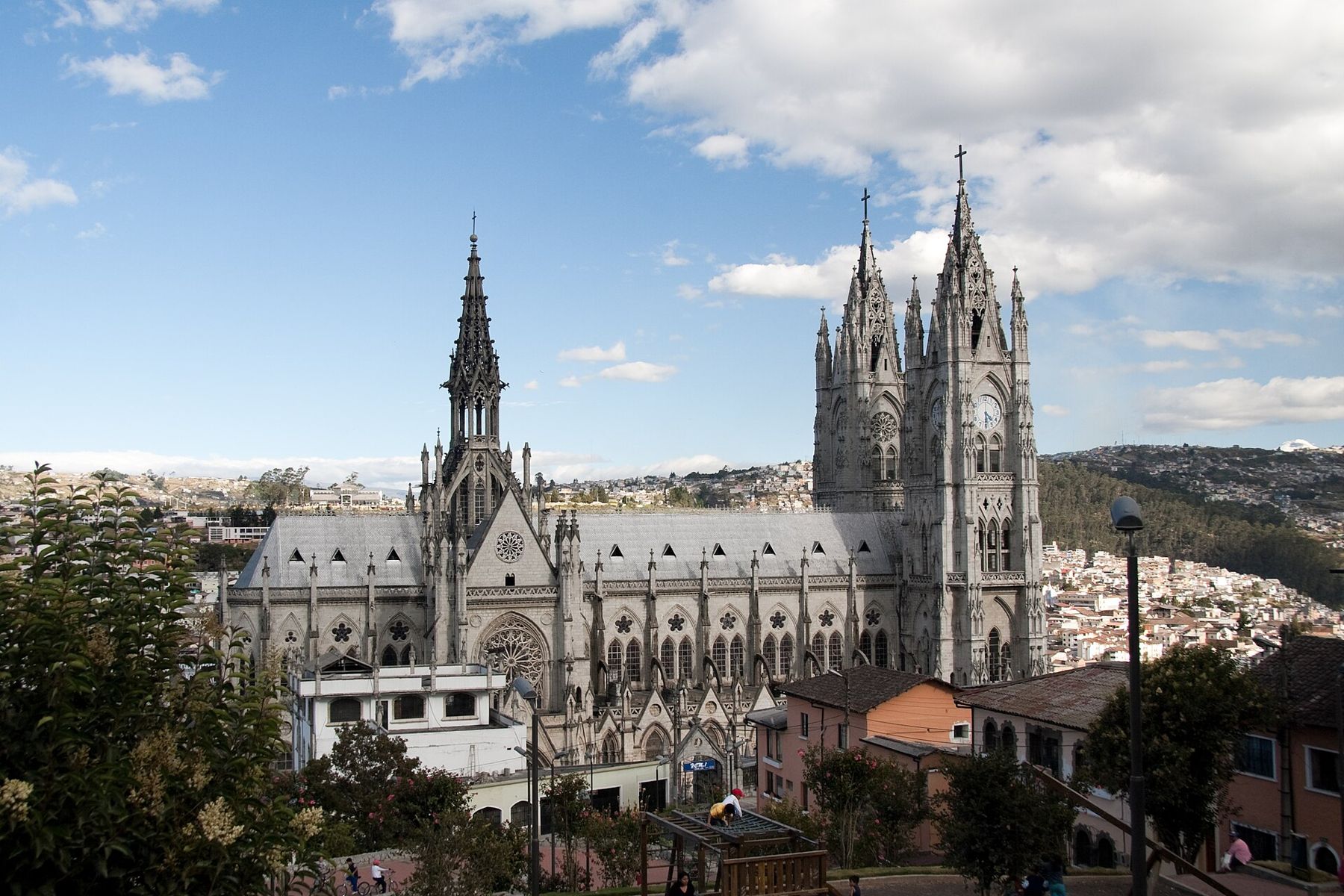
Visitors can climb into the towers, using narrow stairs and steep ladders, with views over the whole old town. It is a dizzying climb at this altitude. Do it on a second day, slowly, if you like heights.
Plaza Grande
Walk south down the slope to the Plaza Grande, formally the Plaza de la Independencia. It is the political heart of the city and the country, shaded by trees and filled with people sitting on benches, reading newspapers and talking. In the centre stands a monument to the heroes of 10 August 1809, the day Quito made one of the first declarations of self-government in Spanish America.
On the west side stands the Palacio de Carondelet, the seat of the presidency, its long white colonnade often guarded by soldiers in ceremonial uniform. The archbishop's palace, with shops and cafés in its patios, fills the north side. The city hall is on the east.
Catedral Metropolitana
The cathedral stands on the south side of the plaza, its long whitewashed walls raised above the square on a stone terrace. Building began in the sixteenth century, and it has been repaired after earthquakes many times since. Inside are paintings and carvings of the Quito School, the colonial workshops that made the city one of the great centres of religious art in Spanish America. Antonio José de Sucre, the general of the independence wars, is buried here.
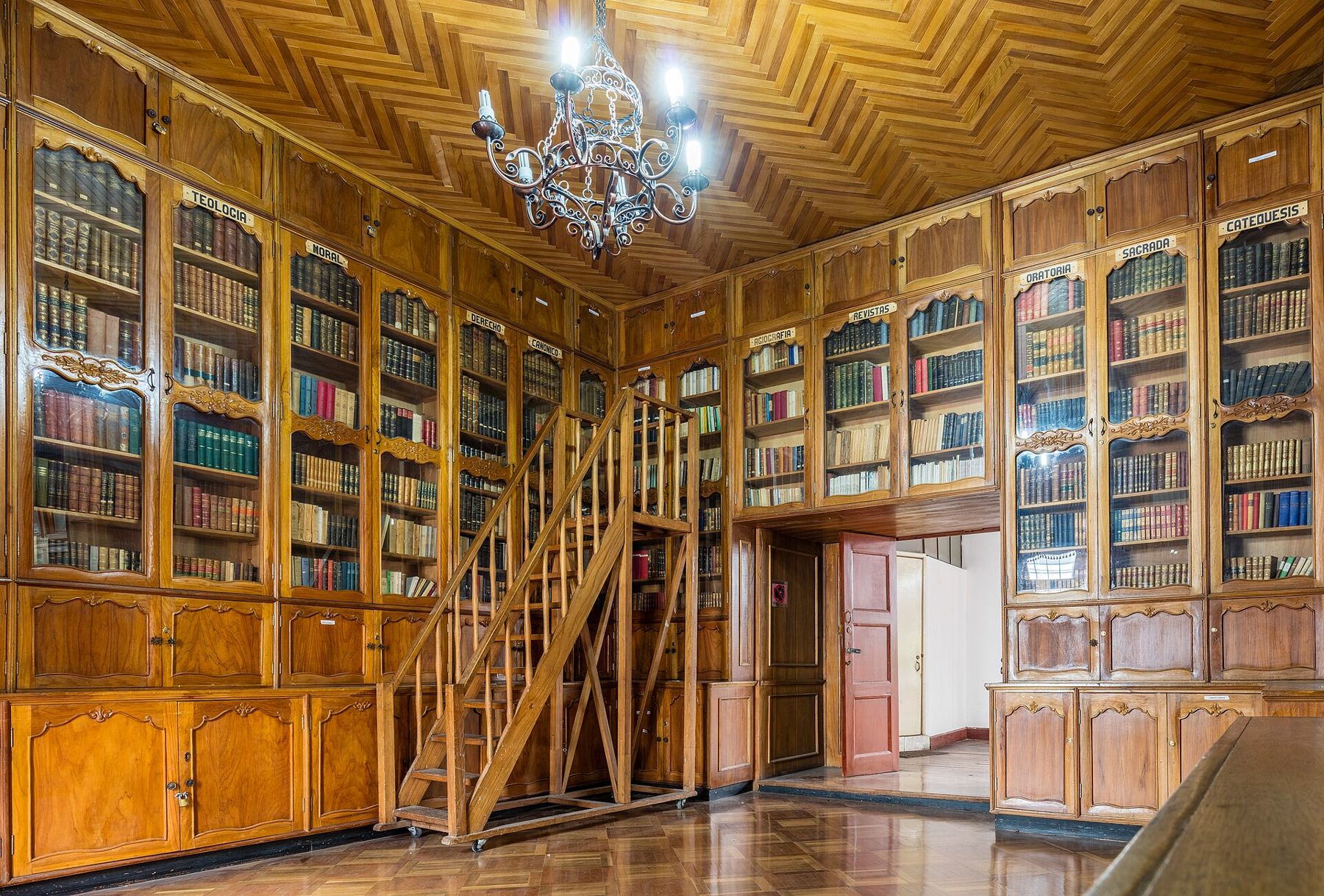
A short walk south and west takes you up García Moreno, the street of the seven crosses, lined with churches, to the next stop.
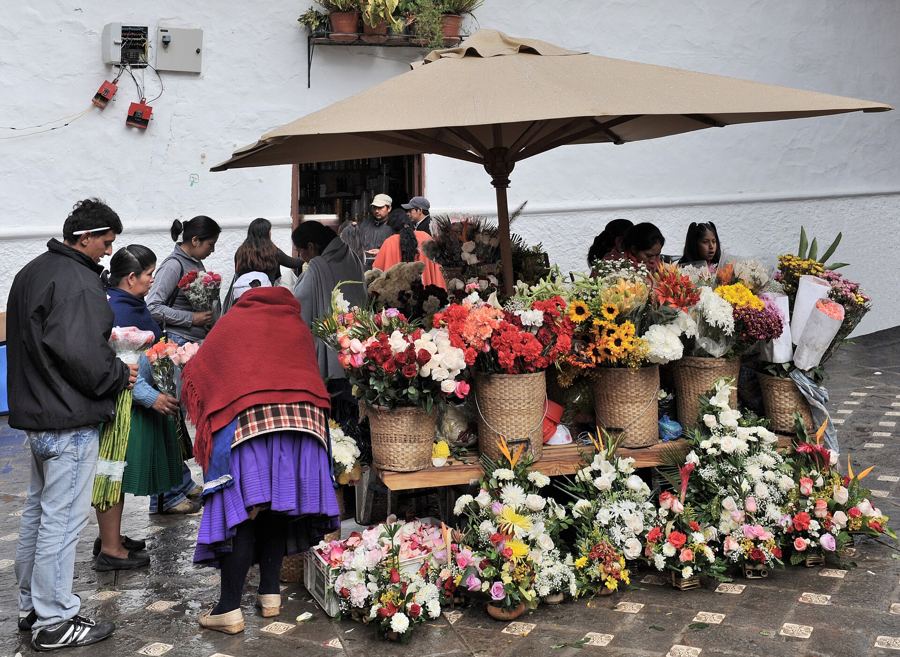 2,560 mCuenca, a city of four rivers and blue domes
La Compañía de Jesús
From the outside, the Jesuit church of La Compañía has a facade of grey volcanic stone, carved with twisting columns, saints and leaves. Inside, nearly every surface is covered in gold leaf: the walls, the altars, the pulpit, the ceilings. In the soft light of the nave, the whole church glows. It took the Jesuits more than 150 years to build and decorate it, from the early seventeenth century to the middle of the eighteenth.
The patterns of the interior mix European baroque with designs of Moorish origin and images of local plants. Photography rules inside change, so ask at the door. Sit for a while; the gold is the work of local craftsmen and artists over generations.
Plaza de San Francisco
A block west, the land opens into the Plaza de San Francisco, a wide sloping square of stone, with the church and monastery of San Francisco across its upper side. Begun soon after the founding of the city in the 1530s, it is one of the oldest and largest religious complexes in the Americas, with cloisters, chapels and a museum of colonial art.
The plaza is a good place to stop and look around. To the south, the hill of El Panecillo rises above the rooftops with the Virgin on top. To the west, Pichincha fills the sky.
Calle La Ronda
Walk south and downhill to Calle La Ronda, a narrow lane of colonial houses with wooden balconies, painted doors and flowerpots. It was restored in the early 2000s and is now lined with small cafés, workshops and shops selling sweets and crafts. On weekend evenings, musicians play in the street and the lane fills with families from across the city.
In the daytime it is calm, and an easy place to rest. Try a canelazo, a hot drink of cinnamon and naranjilla fruit, often with a little cane spirit, made for cool Andean evenings.
El Panecillo
El Panecillo, the little bread roll, is the round hill at the southern end of the old town, about 200 metres above it. On top stands a tall statue of the Virgin, made of aluminium plates in the 1970s. She has wings, stands on a globe and a serpent, and is modelled on a small eighteenth-century carving by Bernardo de Legarda, one of the masters of the Quito School.
The steps leading up from the old town pass through areas where robberies are reported, so go by taxi and have the driver wait or call another for the return. From the top, the city spreads in both directions along its valley, the old town at your feet, Pichincha to the west and, on a clear morning, the snow-capped volcanoes of the Avenue of the Volcanoes in the distance, Cotopaxi among them.
After the walk
The equator crosses the land a short drive north of the city, where a monument at the Mitad del Mundo marks the line measured by a French scientific expedition in the eighteenth century. Modern measurements place the true line a short distance away. Either way, it is a good half-day trip.
From Quito, the profile drops south along the Andes to Cuenca, a smaller colonial city a little lower, or north to Colombia and the cool savanna of Bogotá. Farther south, the high road leads to Peru and the Inca capital of Cusco, more than 500 metres higher. But before you go, come back to the Plaza Grande at the end of the afternoon, sit on a bench in the thin, cooling air, and watch the old town go home.