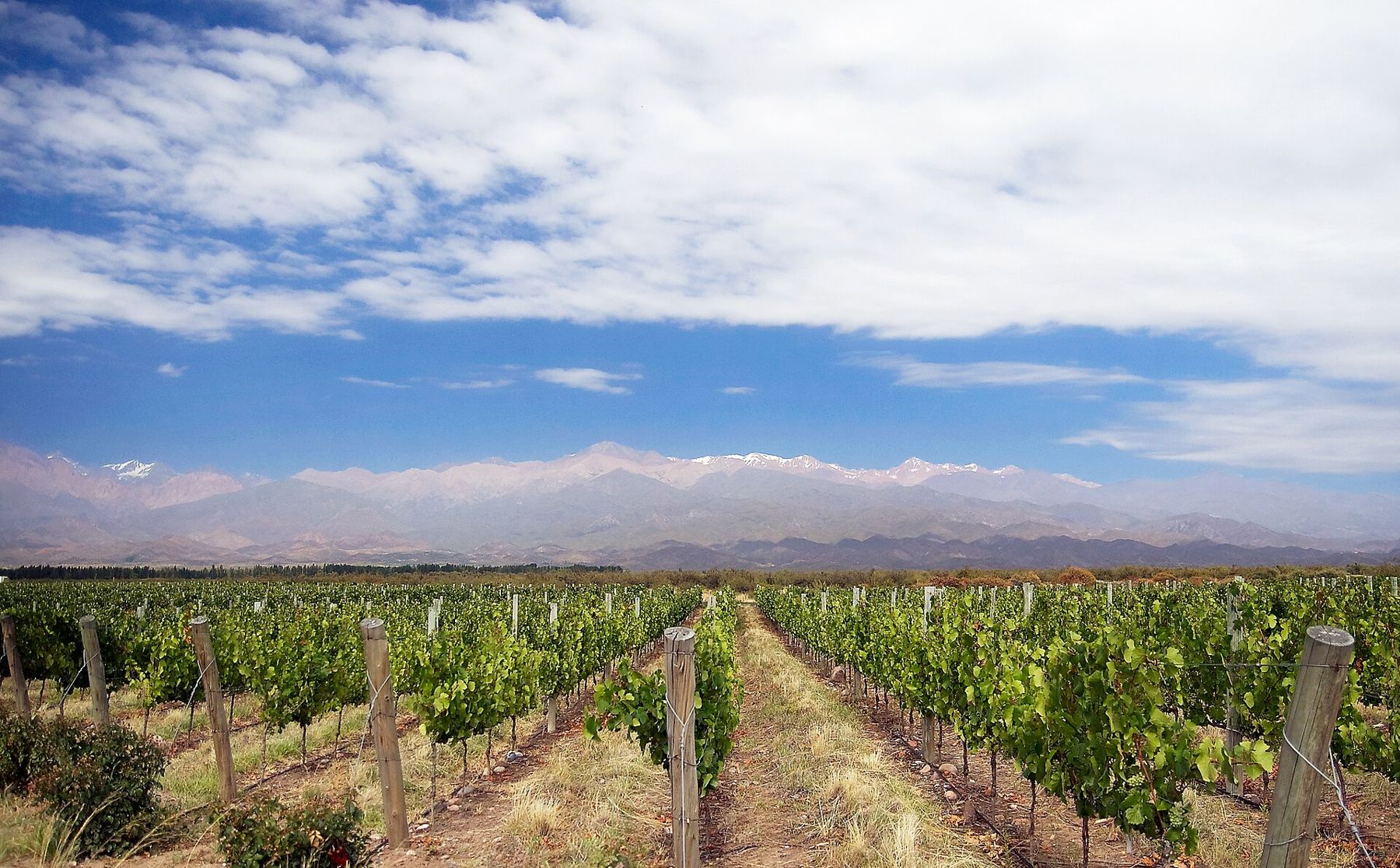
Mendoza is a desert city that does not look like one. Rows of tall trees shade every street, their crowns meeting overhead. Parks and squares are green, lawns are watered, and the outskirts are lined with vineyards and orchards. Then you reach the edge of the irrigated land, and the green stops as if cut with a knife: beyond it lie dry scrub, stony ground and the bare brown foothills of the Andes.
The city stands at about 750 metres, at the foot of the highest part of the range. Altitude is not the condition here. Dryness is, and heat, and sun. Rain is scarce, the air is clear, and the light is strong from morning to evening. Everything grows because of water that comes down from the mountains as snowmelt, and the city has organised its life around that water for centuries.
A city of channels
Walk any street in central Mendoza and you will see the acequias, open stone channels running along the edge of the pavement, between the kerb and the line of trees. They carry water from the rivers to the roots of the trees and on to gardens and fields. Before the Spanish arrived, the Huarpe people were already irrigating this valley, and the colonial settlers extended their channels. Today the network reaches across the whole oasis. Watch your step at night; the channels are deep enough to turn an ankle.
Rain is scarce, the air is clear, and the light is strong from morning to evening.
The Spanish founded Mendoza in 1561. In 1861 an earthquake destroyed the city almost completely, killing a large part of its population. It was rebuilt a short distance to the southwest, on a new plan of wide streets and low buildings, with open squares where people could gather safely if the ground shook again. At its heart is the Plaza Independencia, with four smaller squares set around it at equal distances: Plaza España with its painted tiles, Plaza Italia, Plaza Chile and Plaza San Martín. The ruins of the old town, including the walls of a colonial church, are preserved in the Área Fundacional.
West of the centre, the Parque General San Martín is a huge planted park of lakes, avenues and trees. On the hill at its far end, the Cerro de la Gloria, stands a large bronze monument to the Army of the Andes, which José de San Martín led from Mendoza across the mountains to Chile in 1817, during the wars of independence.
Heat, sun and the first day
At 750 metres your body will not notice the altitude. It will notice the dry air. You lose water without feeling sweaty, lips crack, and the sun burns quickly. Drink more than you think you need, wear a hat and use sunscreen even in the shade of the trees.
Summers are hot, with afternoons often well above 30 degrees, and nights that cool down quickly. Winters are cool and dry, with frosts at night and sometimes snow on the city's edge. Spring can bring the zonda, a hot, dry wind that rushes down from the mountains, raising dust and temperatures in a few hours. The kindest seasons are autumn, from March to May, when the harvest is in and the vineyards turn gold and red, and spring, from September to November.
Take the first day gently. Walk the shaded centre in the morning, rest through the hot middle of the afternoon as many people here still do, and come out again in the evening, when the squares fill with families and the café tables spread out under the trees.
 1,152 mSalta and the gorges of red stone
Malbec under the Andes
Mendoza is the heart of Argentina's wine country, and it makes most of the country's wine. The grape it is best known for is Malbec, which came from southwestern France in the nineteenth century and took to the dry climate, strong sun and cool nights here better than it ever did at home. The result is dark, full red wine. There are many other grapes too: Cabernet Sauvignon, Bonarda, Syrah, Chardonnay and the aromatic white torrontés.
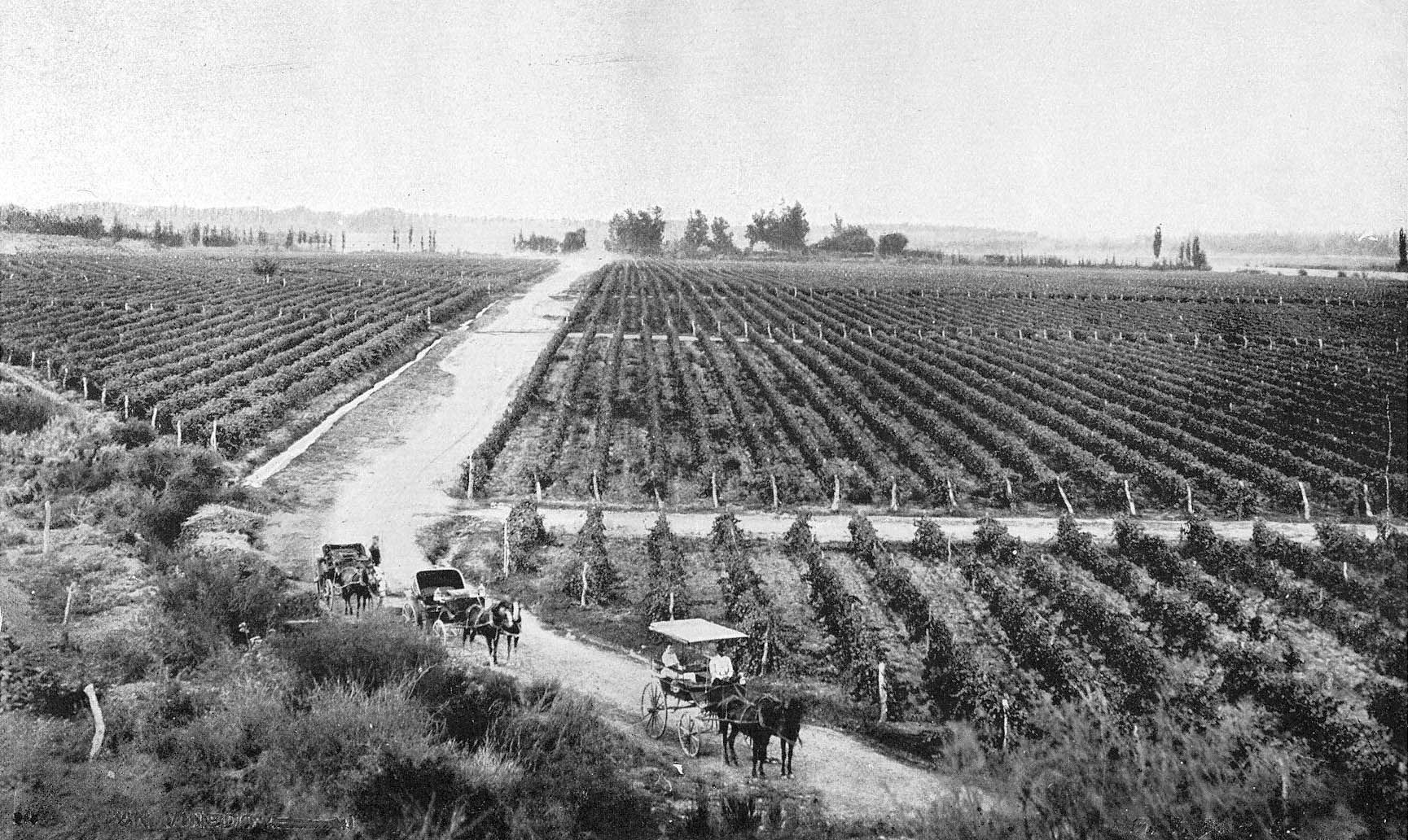
The older wine districts lie just south of the city. Luján de Cuyo and Maipú are close enough to reach in half an hour, with vineyards on the flat land along the Mendoza River and many wineries open to visitors. Some people cycle between them on the quiet back roads, though the heat and the traffic on the main routes make the morning the best time for that.
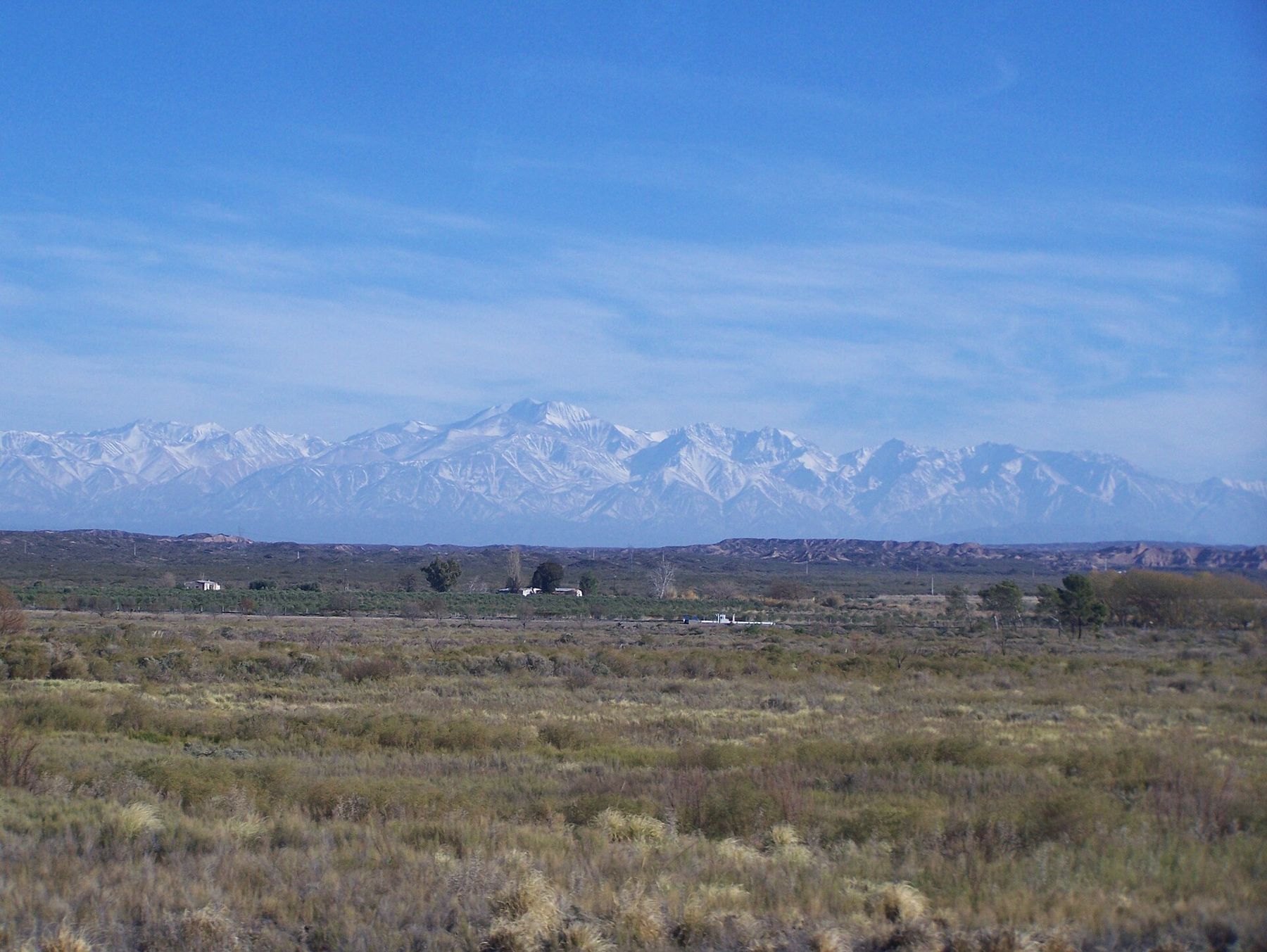
Farther south, about two hours' drive, is the Uco Valley, a broad plain under the highest wall of the Andes. The vineyards here are higher, many above 1,000 metres, and the nights are colder, which keeps the grapes fresh. Planting here grew fast from the 1990s onward, and the valley is now one of the best known wine regions in South America. Rows of vines run straight toward the mountains, which stand snow-covered across the whole western horizon.
A tasting visit usually includes a walk through the vines, a look at the cellars and tanks, and a glass or two. Book ahead, and arrange a driver if you plan to taste. In late summer, the city holds its harvest festival, the Fiesta de la Vendimia, with parades, music and the crowning of a harvest queen.
West to Aconcagua
The road west from Mendoza follows the Mendoza River up into the Andes, toward the pass to Chile. It is one of the great mountain drives of the continent. The valley narrows, the rock walls turn red, purple and green, and the road climbs past a reservoir and the farming town of Uspallata into a world of bare rock and high peaks.
At Puente del Inca, a natural stone bridge crosses the river, coloured yellow and orange by minerals from hot springs. A little beyond it is the entrance to the Parque Provincial Aconcagua. A short trail leads from the park entrance to a lagoon and a viewpoint over the valley toward Aconcagua itself, at 6,961 metres the highest mountain outside Asia. Its south face, a wall of ice and rock, rises almost three kilometres above the valley floor.
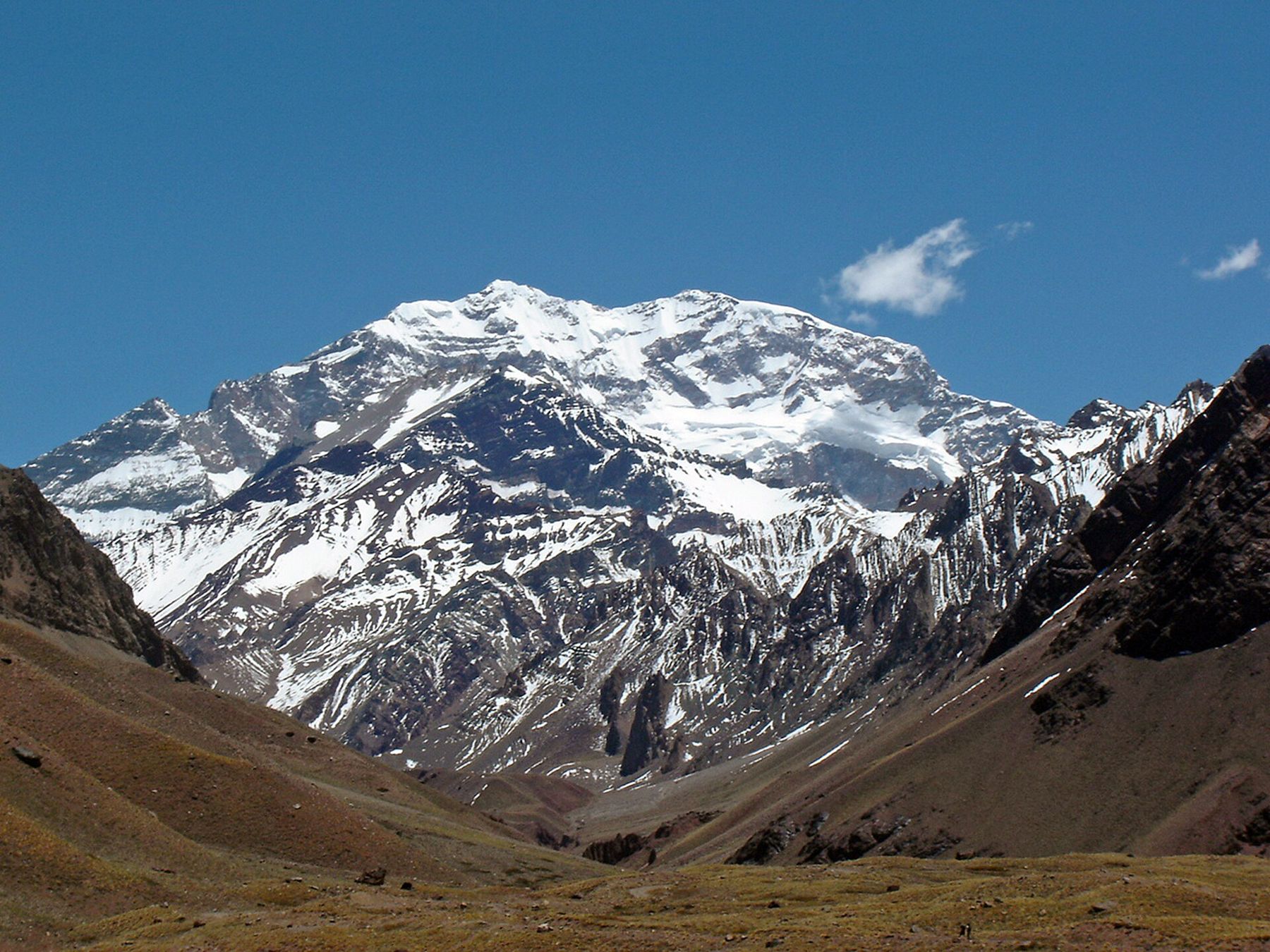
This is where altitude returns. The park entrance is close to 3,000 metres, and the road continues higher to the border pass. Coming straight up from Mendoza in a day, you climb more than two kilometres in a few hours, and the air holds roughly 70 percent of the oxygen you breathe at sea level. Walk slowly on the trail, drink water, and turn back if you feel dizzy or sick. The wind is cold even in summer, and the sun is fierce, so bring warm layers, a hat and sunglasses.
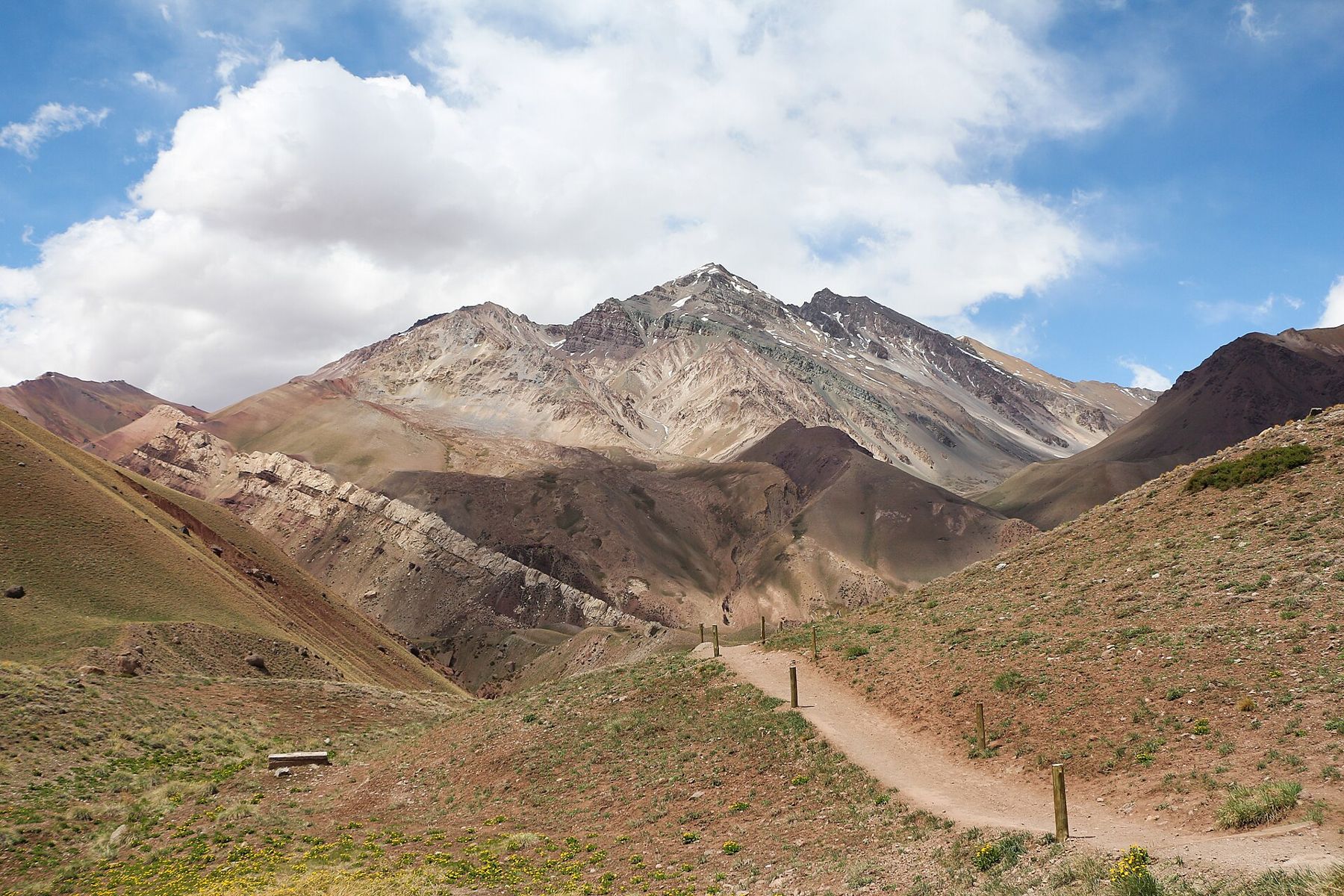
Climbing Aconcagua is a serious expedition that takes weeks, and it needs a permit and proper preparation. The trail to the lagoon needs only good shoes and a slow pace.
In winter, snow can close the pass to Chile, sometimes for days at a time. Check conditions before you set out, whether for the day or for the crossing.
Where the profile goes next
Mendoza is the lowest of the valley stories, and the gentlest. The road over the pass and down the far side of the Andes leads to Santiago and on to the coast at Valparaíso and its hills. To the south, the Andes bend toward the lakes and forests of Bariloche, cooler and greener. To the east lies the long flat drive across the plains to Buenos Aires.
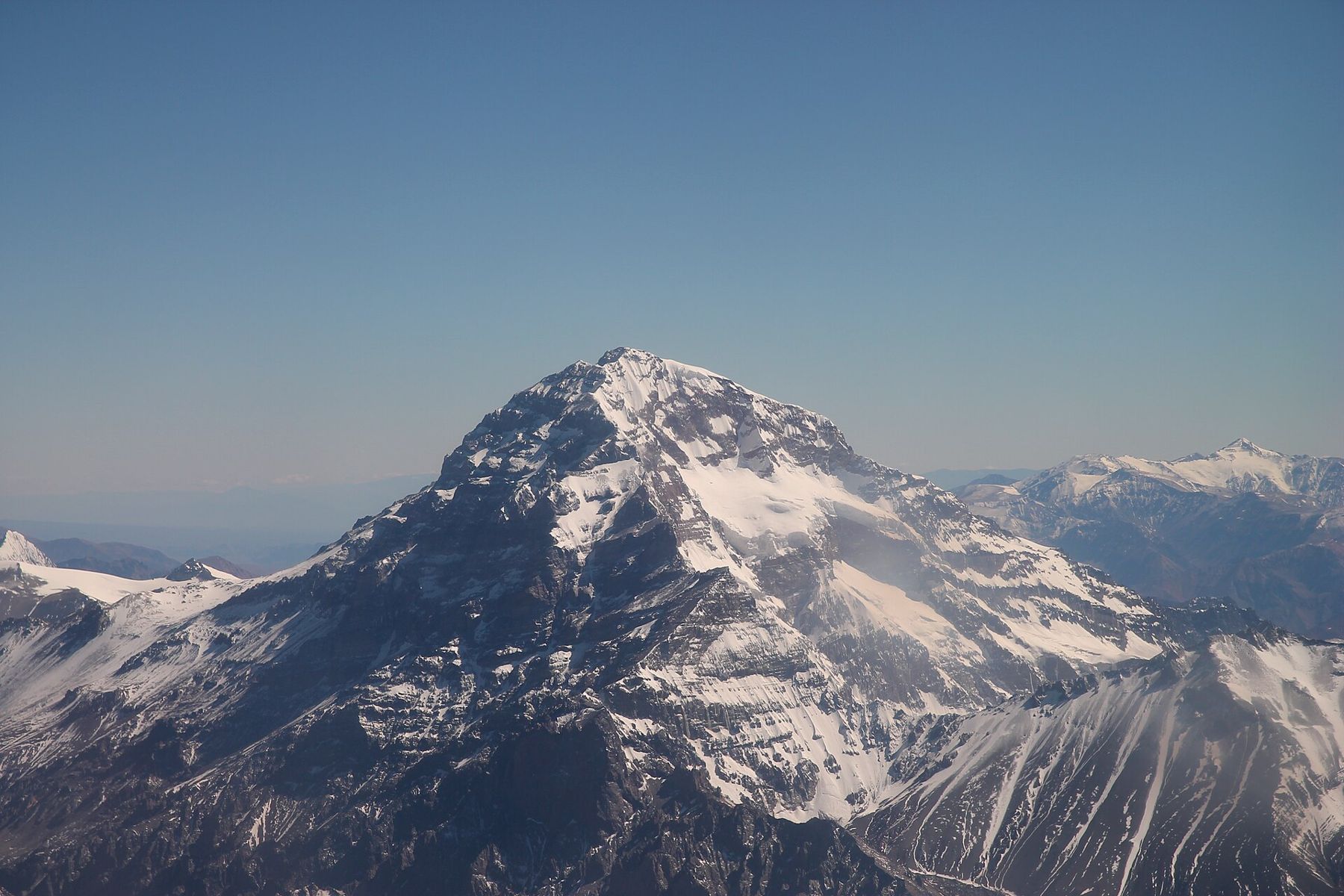
But stay one more evening on the edge of the oasis, where the last row of vines meets the stony ground. The sun drops behind the mountains, the snow on the peaks turns pink, and the water keeps running in the channels, as it has for centuries.